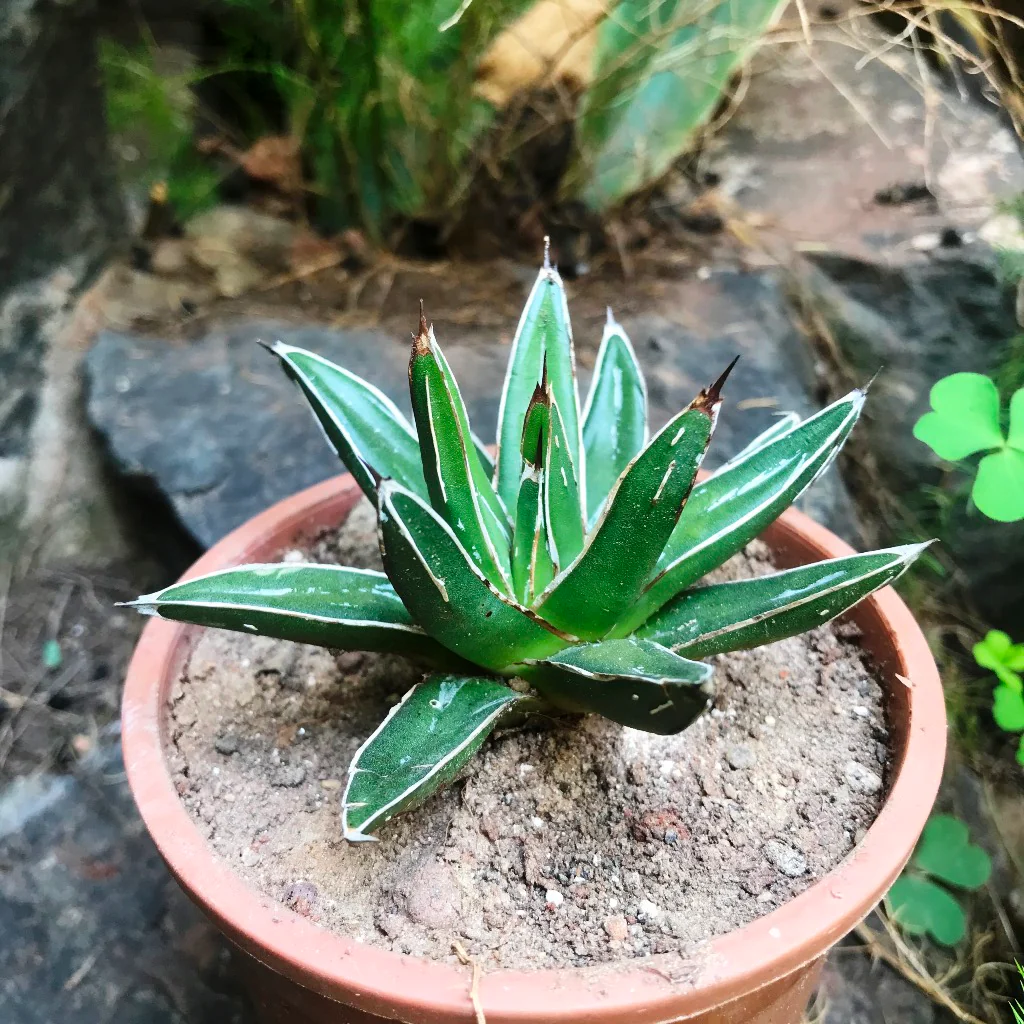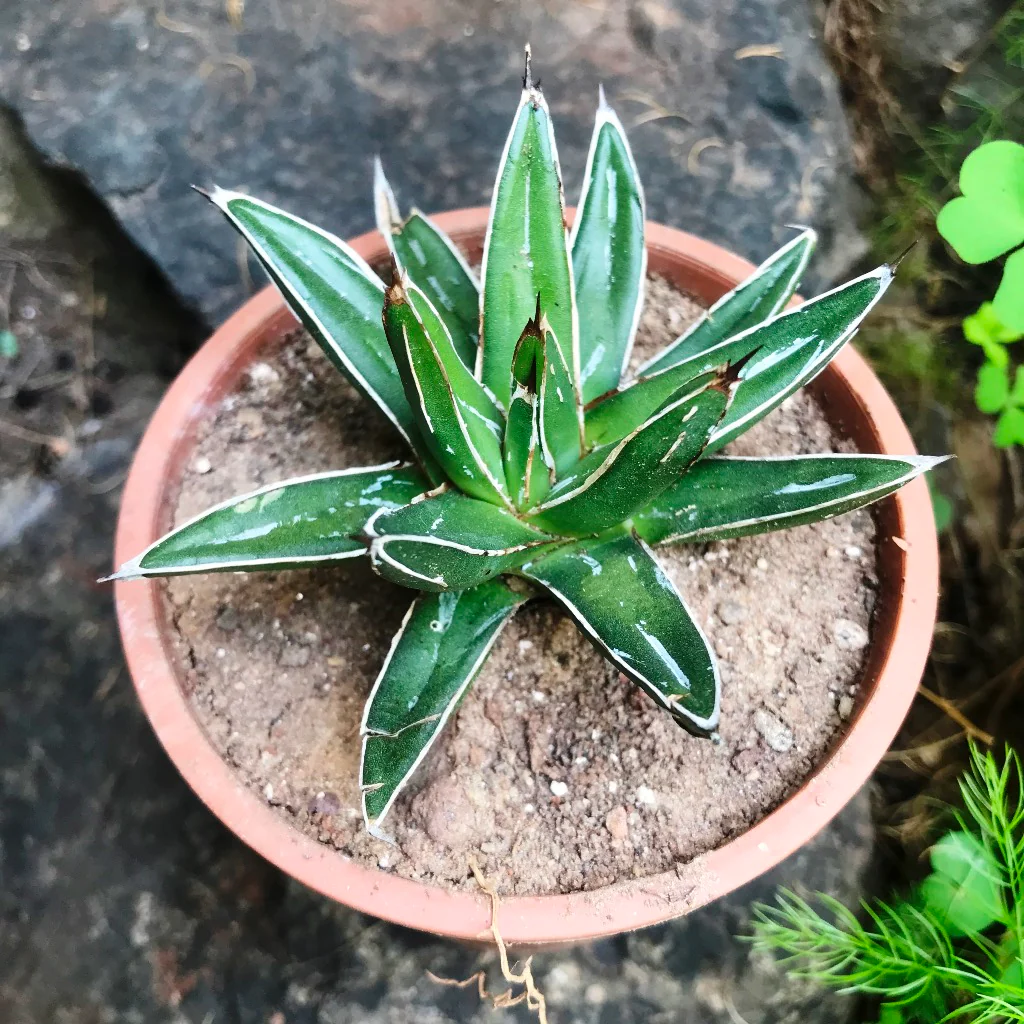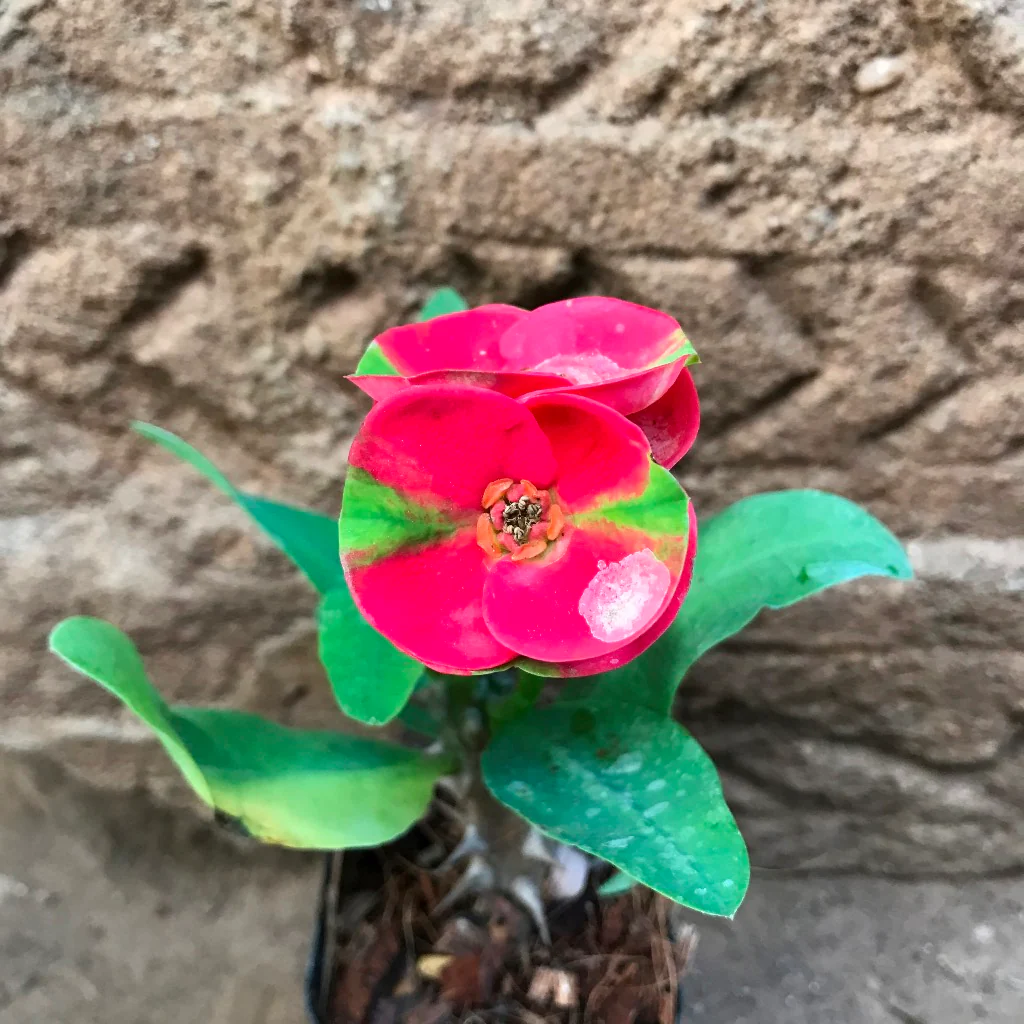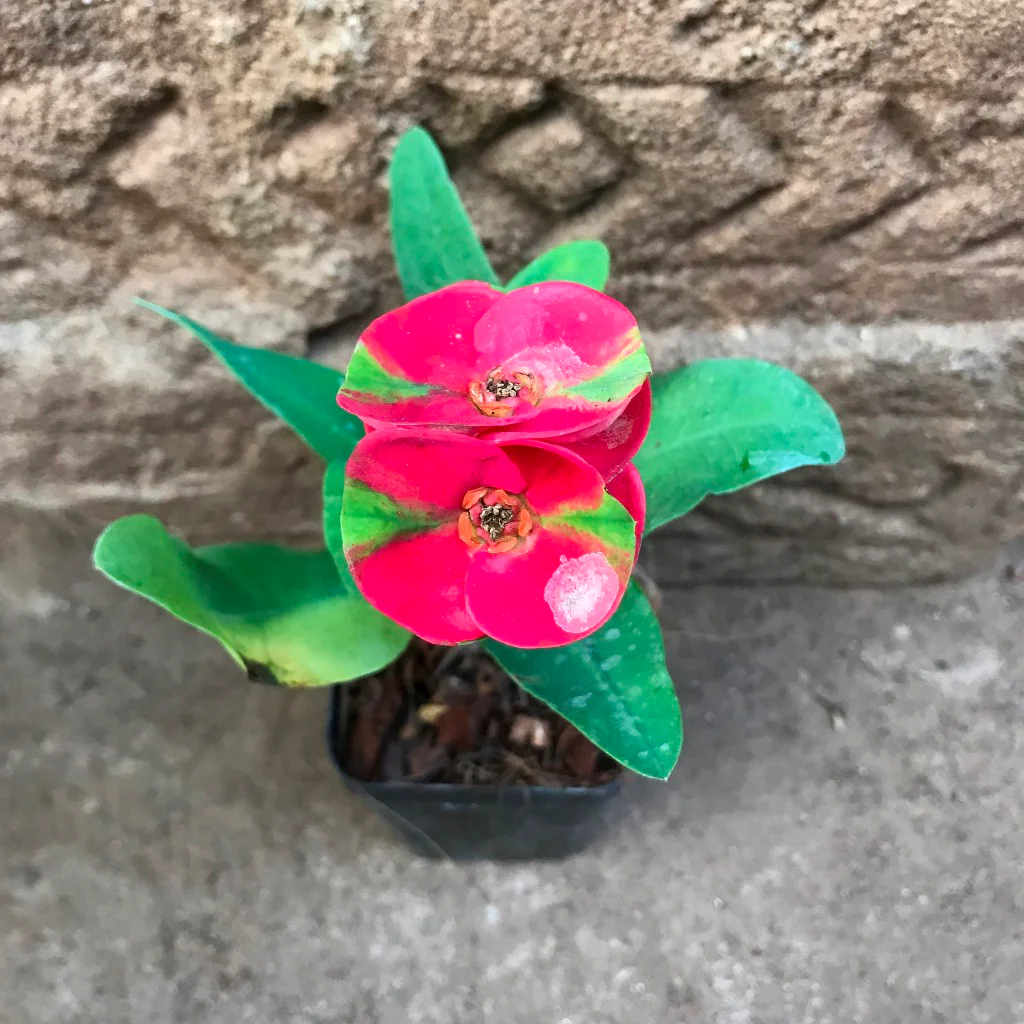
Agave Sisalana Cactus Plant
Sisal Agave
Family
Agavaceae
Native
Central America
Description
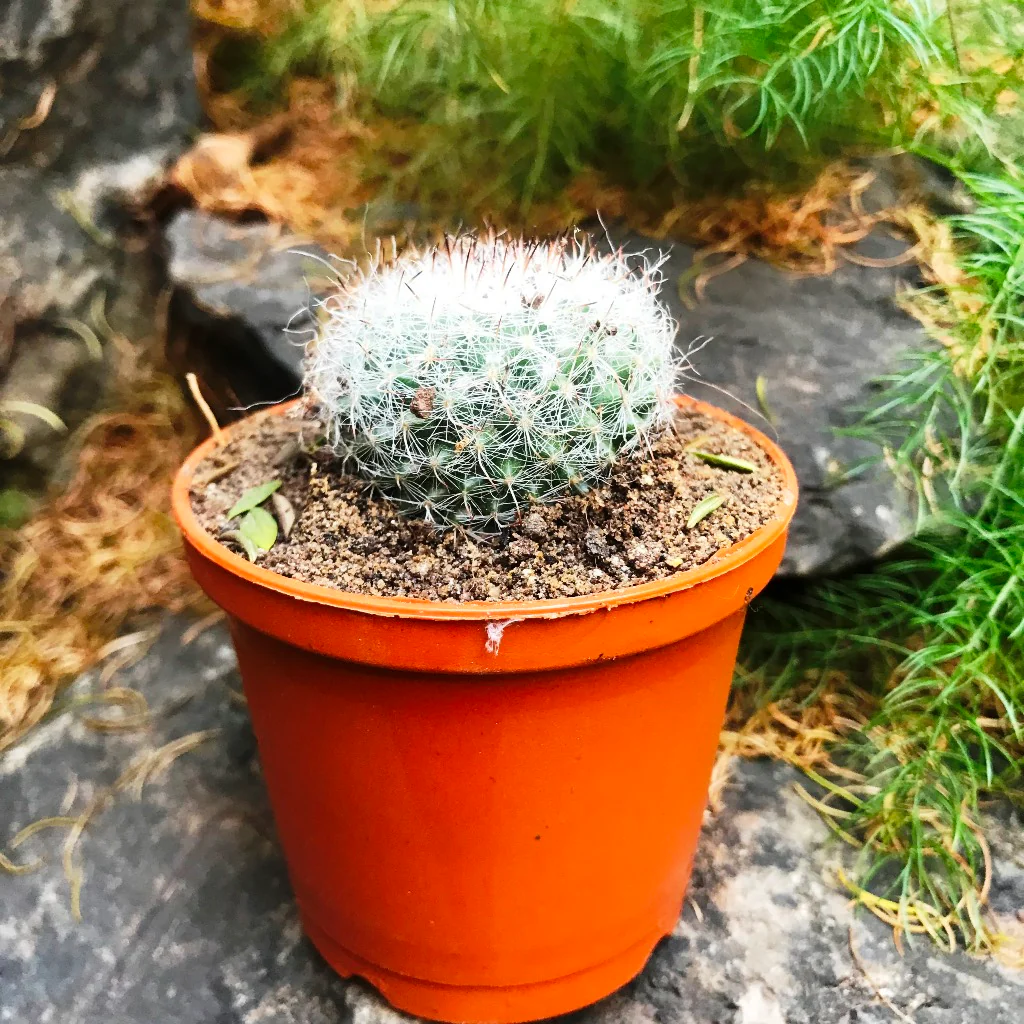
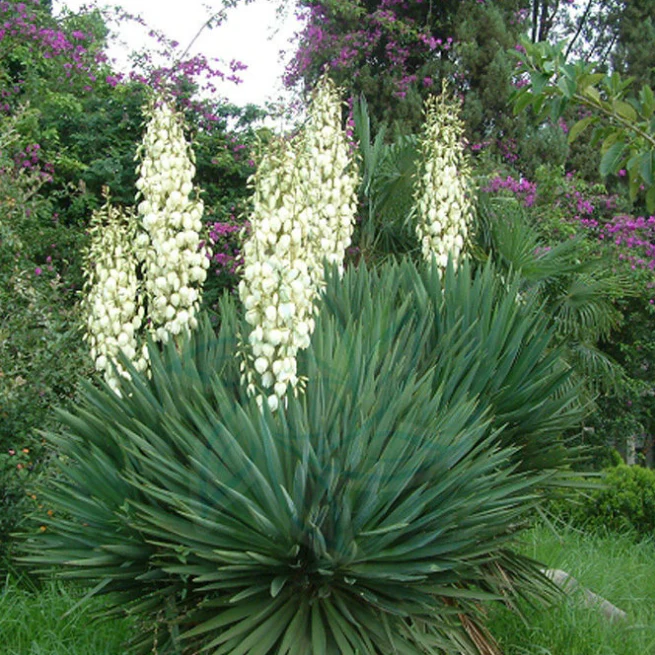
It is an evergreen, succulent plant with a large rosette of leaves 60 -160 cm long that eventually forms to a flowering stem of up to 6 m in height. Few minute teeth are visible along the margins of young leaves but vanish as leaves mature.
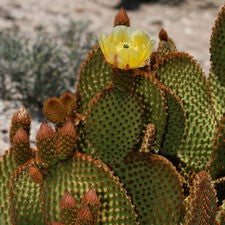
The plant typically produces about 250 commercially usable leaves throughout its 7-10 years life-span, with each leaf containing an average of around 1000 fibres. Yellow flowers, about 6 cm (2.5 inches) long and with an unpleasant odour, form dense clusters at the ends of branches growing from the flower stalk. As the flowers begin to wither, buds growing in the upper angle between the stem and flower stalk develop into small Cactus, or bulbils, that fall to the ground and take root. Like other Agave species, the old plant dies when flowering is completed.
Agave sisalana is the source of the important fibre known as sisal. It is used to make a variety of goods including rope, nets, mats, baskets, sandals and ceremonial objects. Tanzania is one of the largest producers of sisal in the world today. It is also planted as a barrier and an ornamental plant. The sharp leaf spines are used traditionally in central america as needles. The heart of new shoots are cooked and eaten as vegetables. The sweet sap is fermented to make beer and the roots, as well, are used in the production of alcoholic beverage. Further, sisal plant is a folk remedy for dysentery, leprosy sores, and syphilis.
Environment
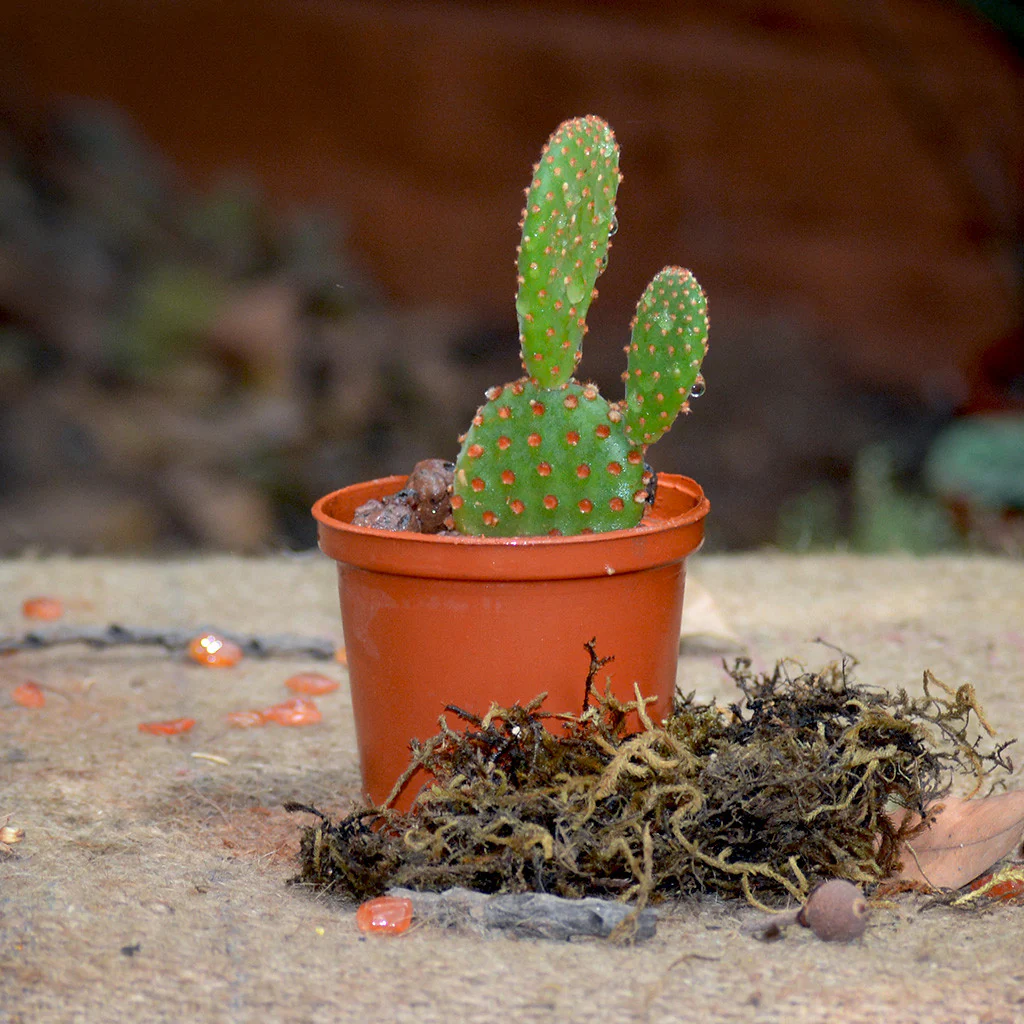
Agaves need full sun and gritty soil that percolates easily. They can even do quite well when potted but use an unglazed clay pot that will allow evaporation of excess moisture.
Water needs are moderate to light depending upon the heat of the season but the Cactus should be allowed to dry out before irrigation
In growing season they benefit from the application of a granulated time release fertilizer that will provide nutrient to the plant.
Landscape Uses
Makes an attractive landscape plant and grasslands. For a pot culture, it requires a container of very large size to remain in an harmonious appearance. It can be used to fix a slope.
Original: $4.44
-70%$4.44
$1.33Product Information
Product Information
Shipping & Returns
Shipping & Returns
Description
Sisal Agave
Family
Agavaceae
Native
Central America
Description
It is an evergreen, succulent plant with a large rosette of leaves 60 -160 cm long that eventually forms to a flowering stem of up to 6 m in height. Few minute teeth are visible along the margins of young leaves but vanish as leaves mature.
The plant typically produces about 250 commercially usable leaves throughout its 7-10 years life-span, with each leaf containing an average of around 1000 fibres. Yellow flowers, about 6 cm (2.5 inches) long and with an unpleasant odour, form dense clusters at the ends of branches growing from the flower stalk. As the flowers begin to wither, buds growing in the upper angle between the stem and flower stalk develop into small Cactus, or bulbils, that fall to the ground and take root. Like other Agave species, the old plant dies when flowering is completed.
Agave sisalana is the source of the important fibre known as sisal. It is used to make a variety of goods including rope, nets, mats, baskets, sandals and ceremonial objects. Tanzania is one of the largest producers of sisal in the world today. It is also planted as a barrier and an ornamental plant. The sharp leaf spines are used traditionally in central america as needles. The heart of new shoots are cooked and eaten as vegetables. The sweet sap is fermented to make beer and the roots, as well, are used in the production of alcoholic beverage. Further, sisal plant is a folk remedy for dysentery, leprosy sores, and syphilis.
Environment
Agaves need full sun and gritty soil that percolates easily. They can even do quite well when potted but use an unglazed clay pot that will allow evaporation of excess moisture.
Water needs are moderate to light depending upon the heat of the season but the Cactus should be allowed to dry out before irrigation
In growing season they benefit from the application of a granulated time release fertilizer that will provide nutrient to the plant.
Landscape Uses
Makes an attractive landscape plant and grasslands. For a pot culture, it requires a container of very large size to remain in an harmonious appearance. It can be used to fix a slope.