Clitoria Ternatea Aparajita Shankhpushpi Plant
Shankhpushpi
Family
Convolvulaceae
Native
Tropical America
Description
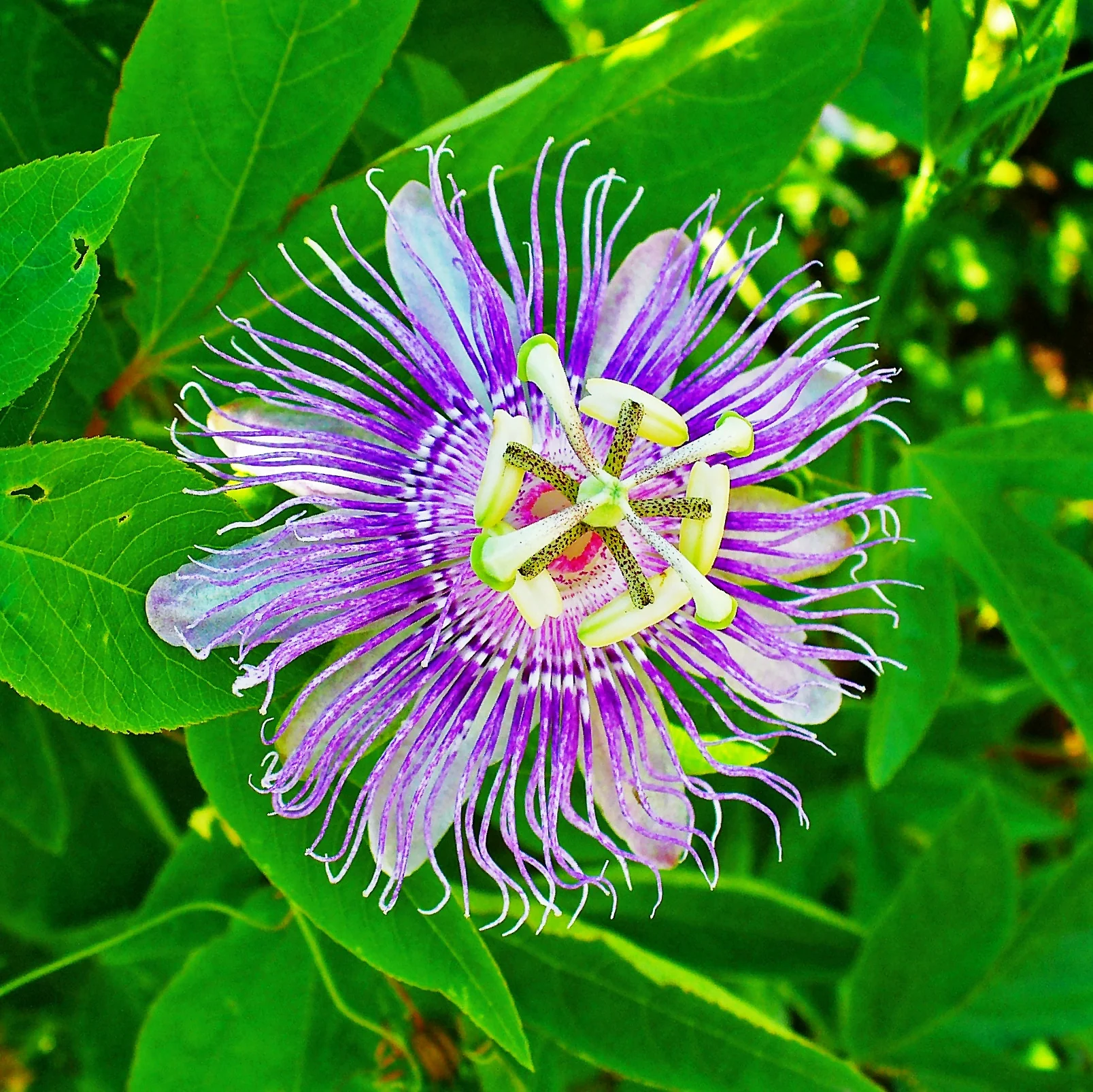
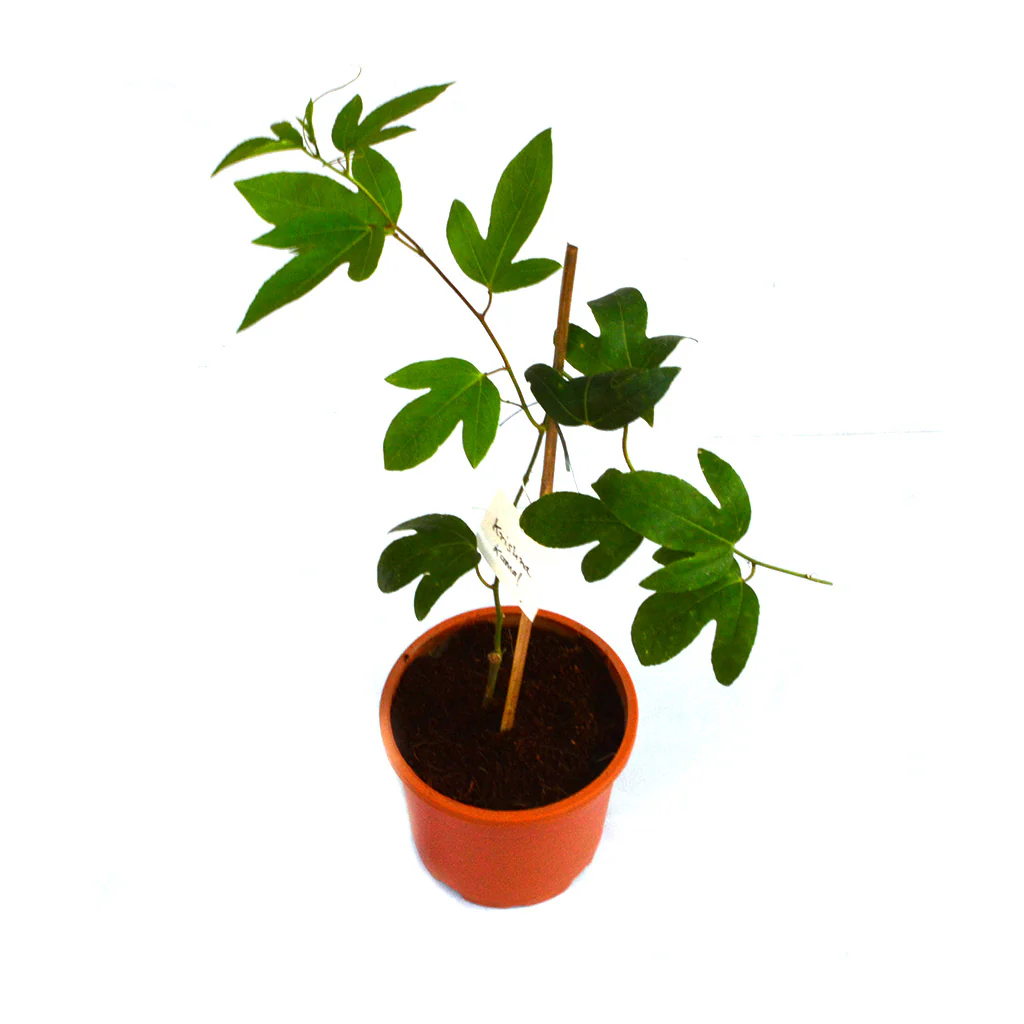
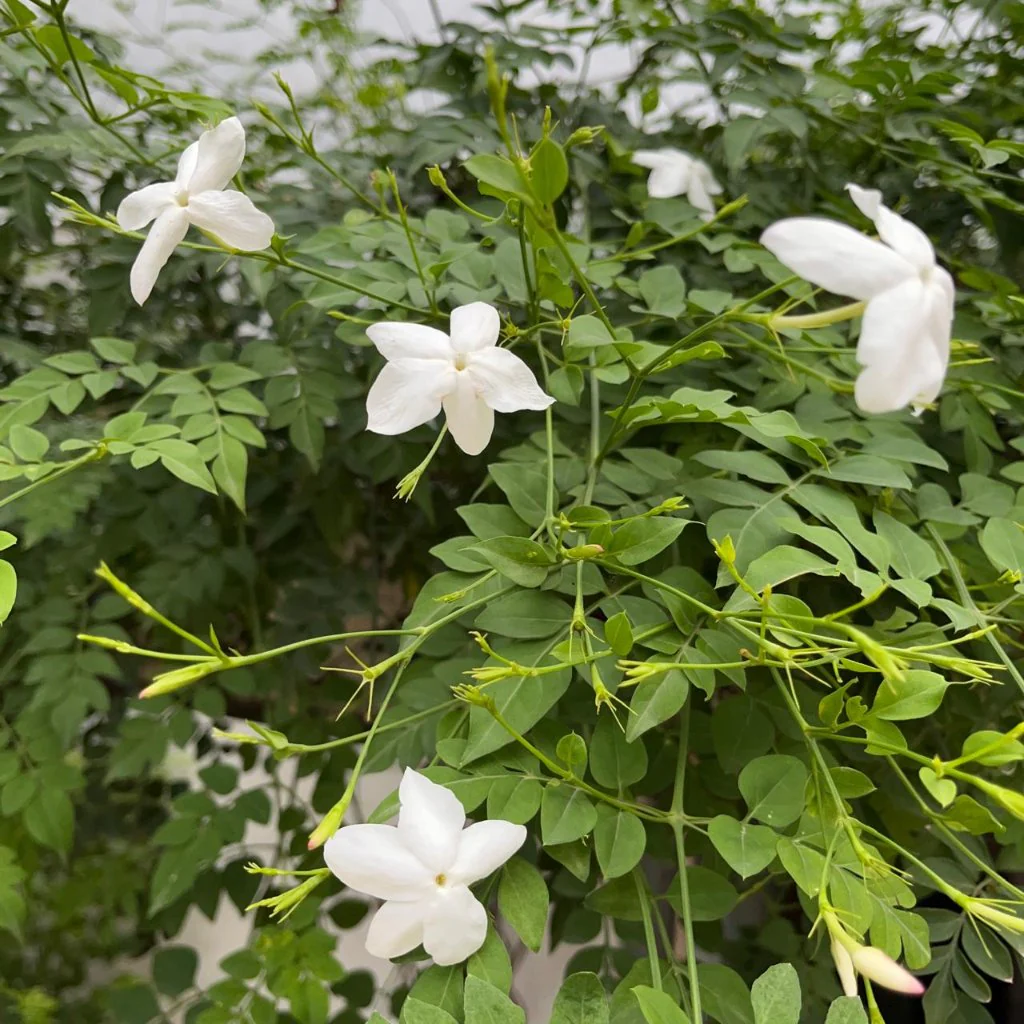
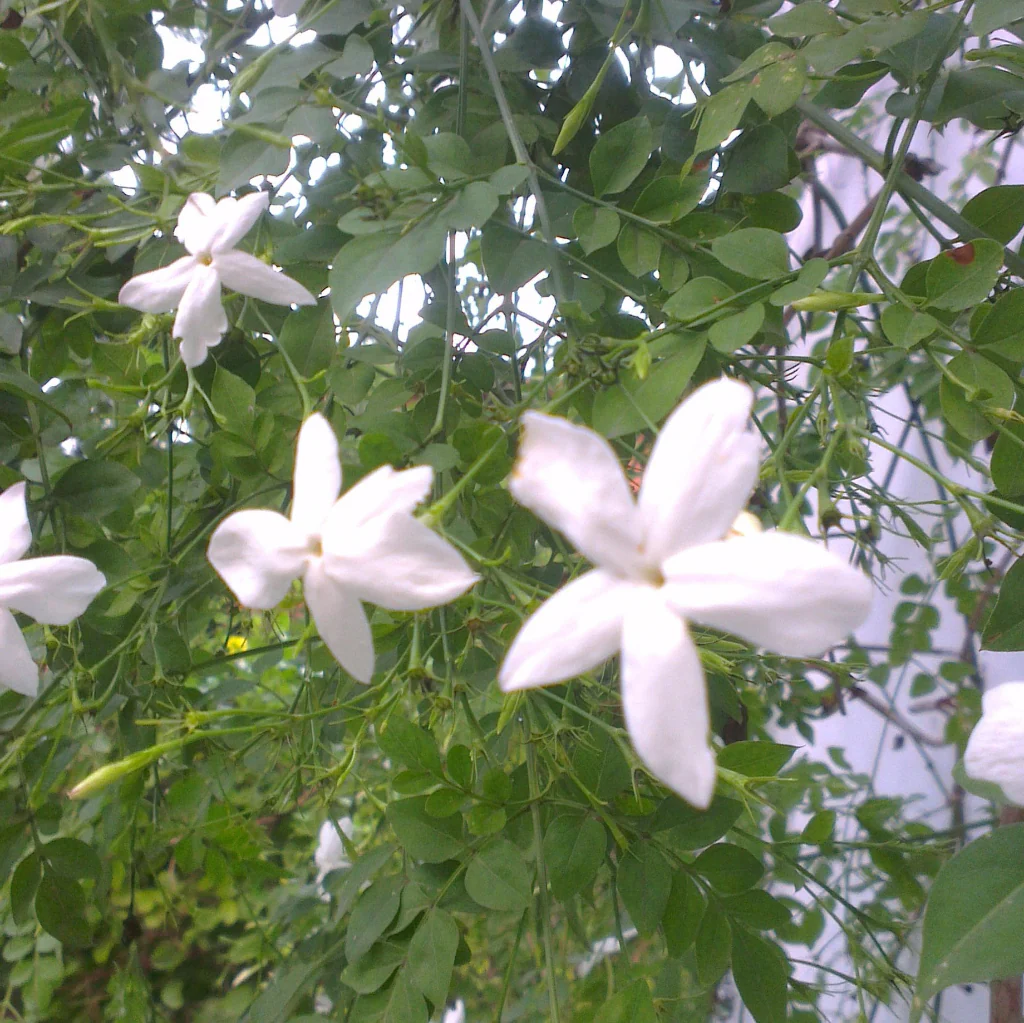
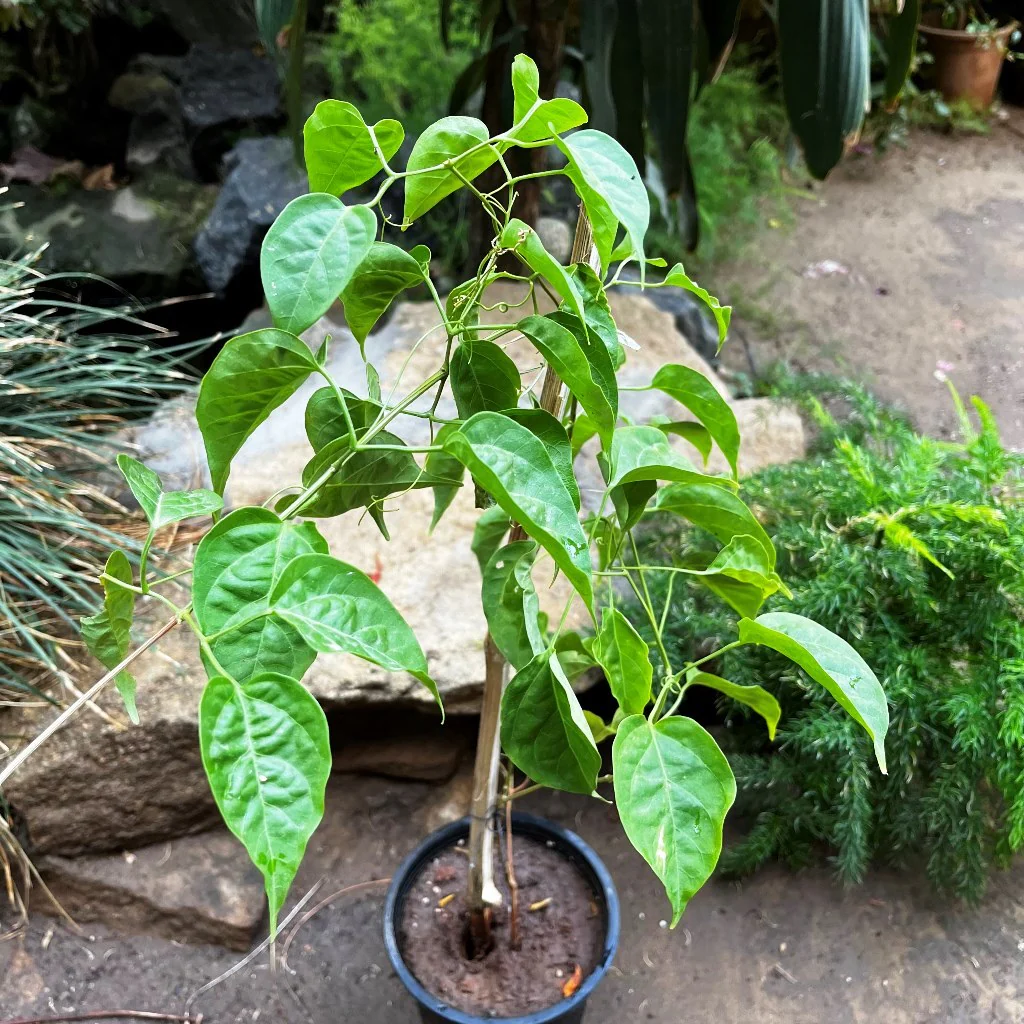
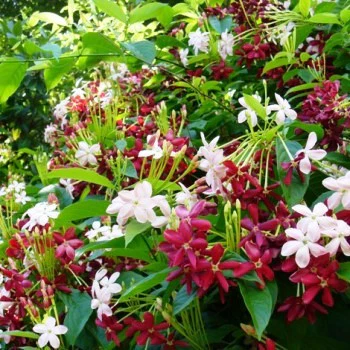
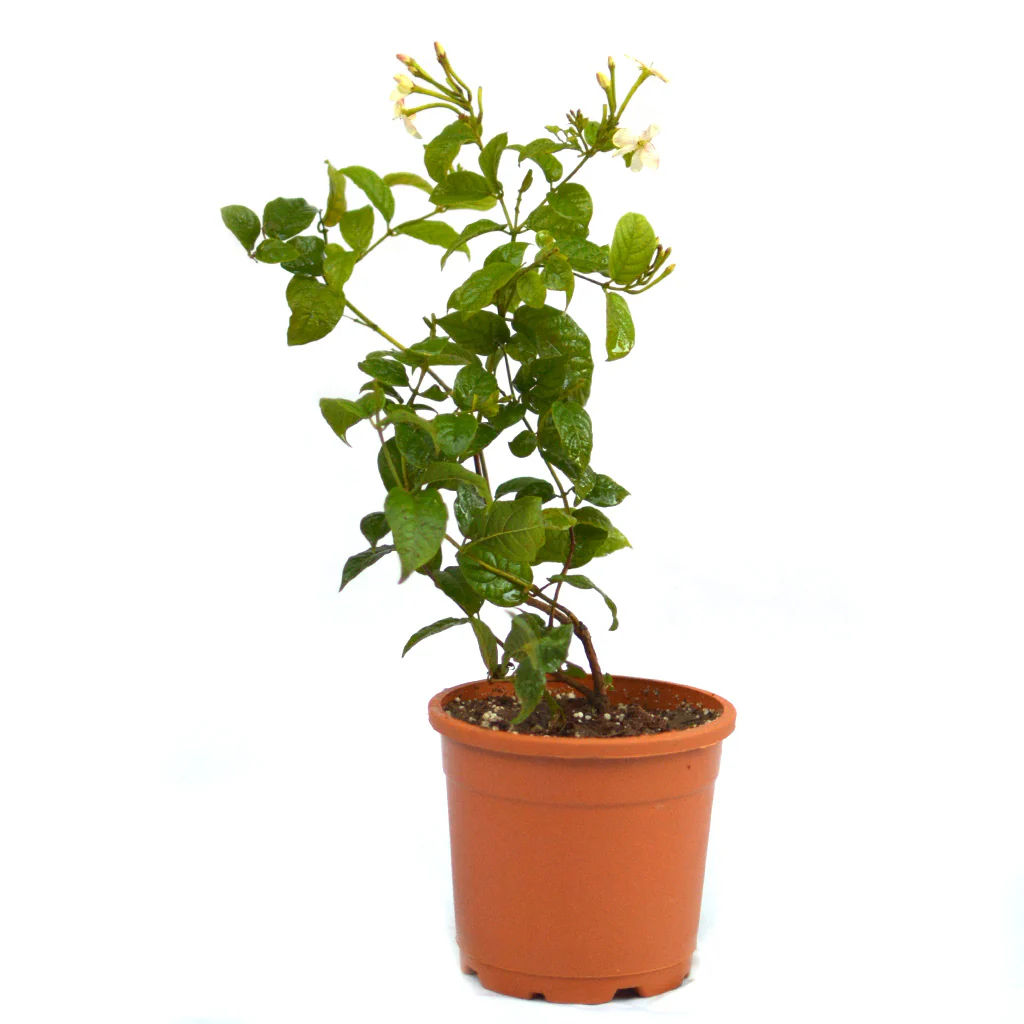
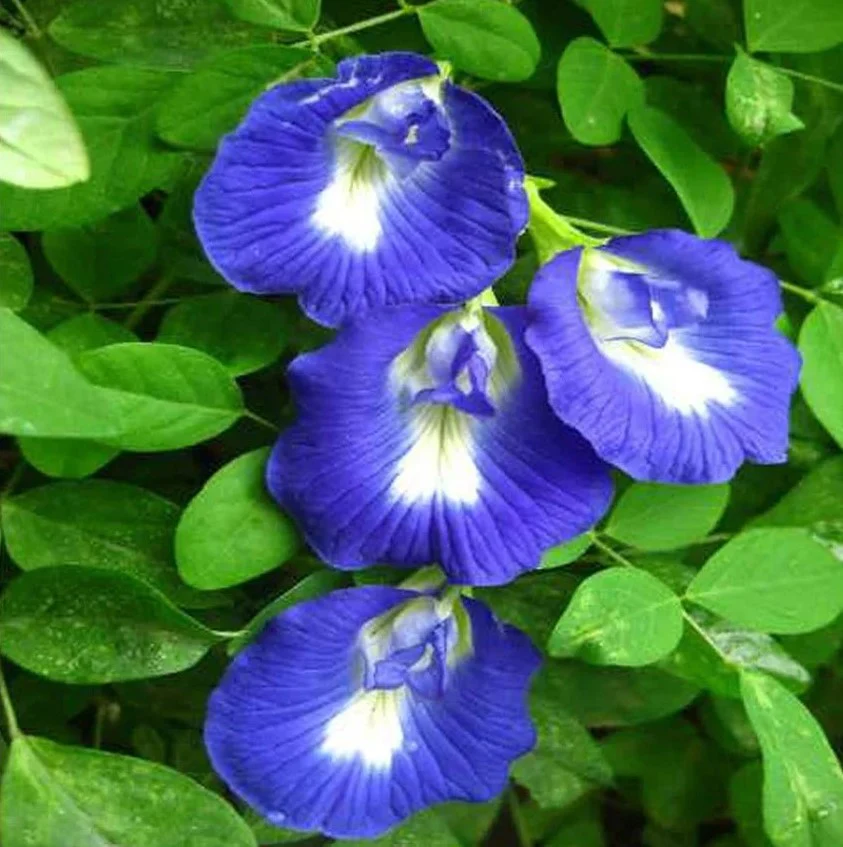
Clitoria Ternatea, commonly known as Butterfly pea, is a short-lived, herbaceous perennial that climbs, scrambles, or trails, originating from a robust woody rootstock. Each year, it produces slender annual stems up to 3 meters long, which do not root at the nodes.
Renowned for its medicinal properties, particularly in enhancing memory and alleviating stress, this plant is harvested from the wild for food, medicine, and dye. It has been traditionally cultivated for its ornamental flowers, medicinal benefits, dye production, and as a soil enhancer. The species forms a symbiotic relationship with soil bacteria that create root nodules to fix atmospheric nitrogen, benefiting both itself and neighboring plants.
Environment
Clitoria Ternatea Aparajita Shankhpushpi thrives in heavy clay soils and prefers full sunlight. It grows well in soils with a pH between 5.5 and 8.9, favoring fertile, friable conditions while performing poorly in infertile sandy soils without fertilization. Well-drained soil is essential. Regular pruning and the application of phosphorus-rich fertilizers, such as bone meal, support healthy growth. Flowering begins within 7 to 11 weeks, with overlapping blooms and pod development continuing year-round in frost-free climates.
Landscape Uses
Perfect for containers, as a filler or as ground cover.
Product Information
Product Information
Shipping & Returns
Shipping & Returns
Description
Shankhpushpi
Family
Convolvulaceae
Native
Tropical America
Description
Clitoria Ternatea, commonly known as Butterfly pea, is a short-lived, herbaceous perennial that climbs, scrambles, or trails, originating from a robust woody rootstock. Each year, it produces slender annual stems up to 3 meters long, which do not root at the nodes.
Renowned for its medicinal properties, particularly in enhancing memory and alleviating stress, this plant is harvested from the wild for food, medicine, and dye. It has been traditionally cultivated for its ornamental flowers, medicinal benefits, dye production, and as a soil enhancer. The species forms a symbiotic relationship with soil bacteria that create root nodules to fix atmospheric nitrogen, benefiting both itself and neighboring plants.
Environment
Clitoria Ternatea Aparajita Shankhpushpi thrives in heavy clay soils and prefers full sunlight. It grows well in soils with a pH between 5.5 and 8.9, favoring fertile, friable conditions while performing poorly in infertile sandy soils without fertilization. Well-drained soil is essential. Regular pruning and the application of phosphorus-rich fertilizers, such as bone meal, support healthy growth. Flowering begins within 7 to 11 weeks, with overlapping blooms and pod development continuing year-round in frost-free climates.
Landscape Uses
Perfect for containers, as a filler or as ground cover.