Iris Tectorum Plant
Japanese Roof Iris
Family
Iridaceae
Origin
China & Japan
Description
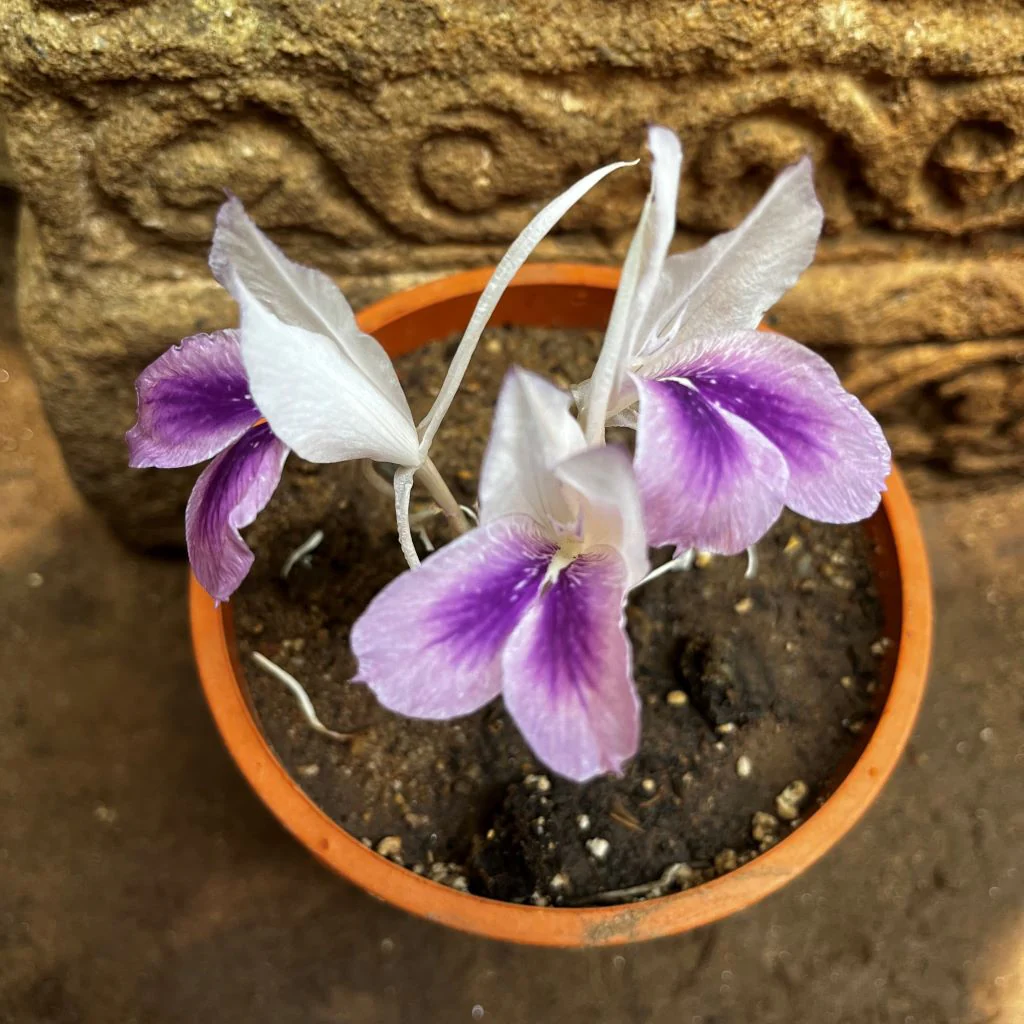
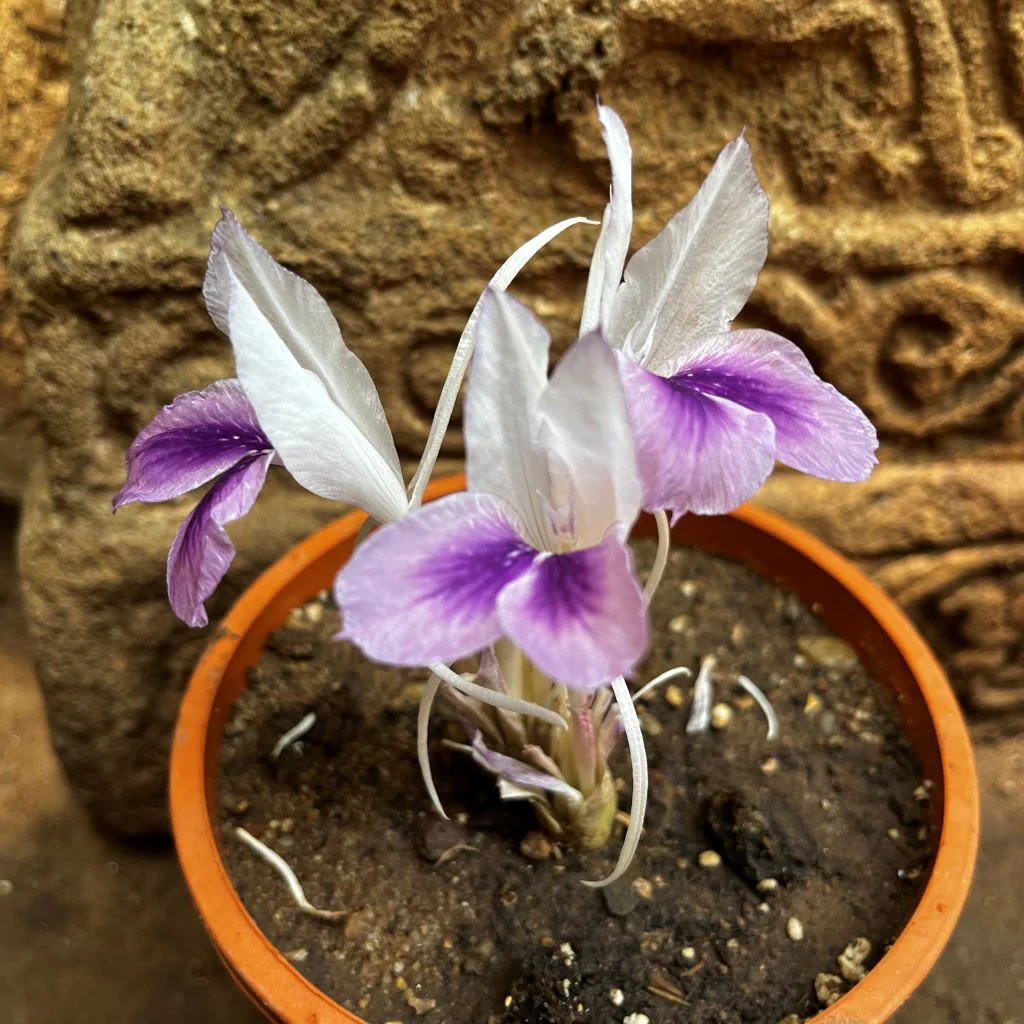
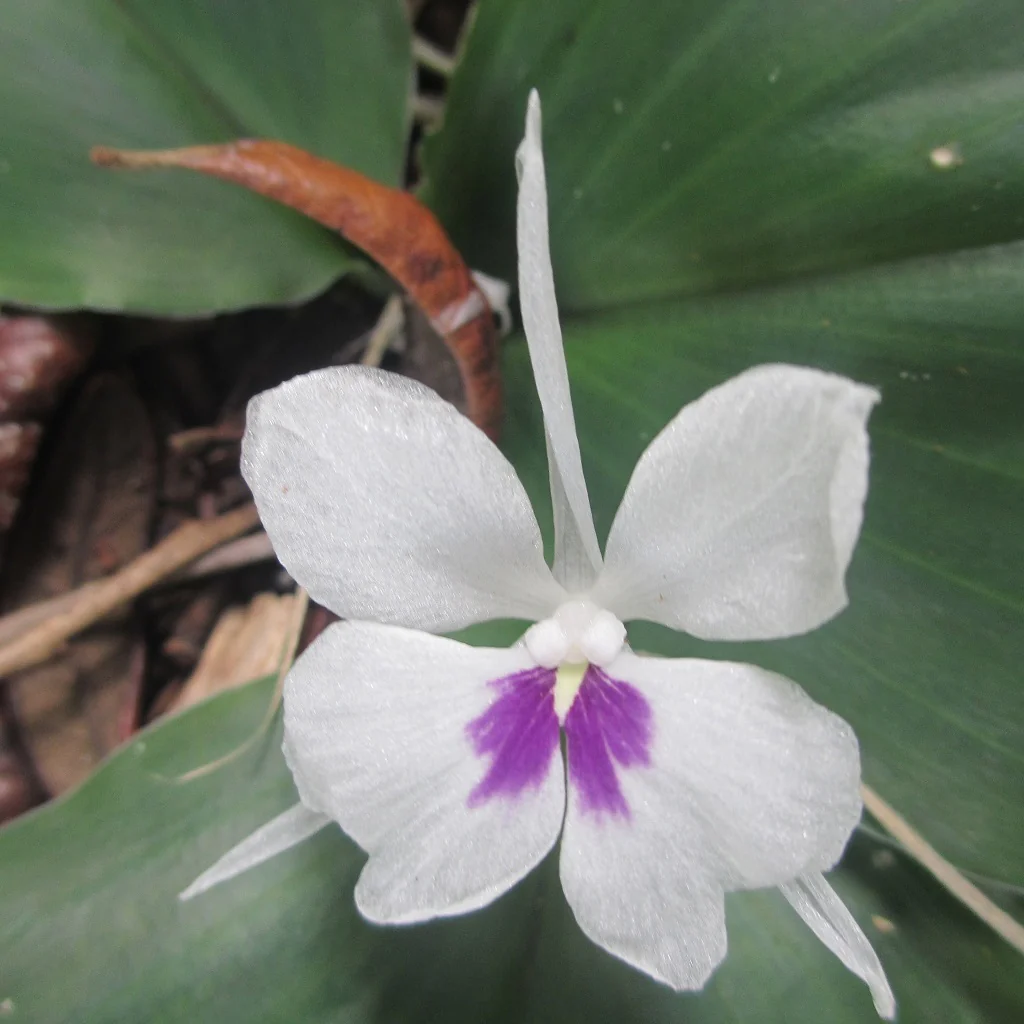
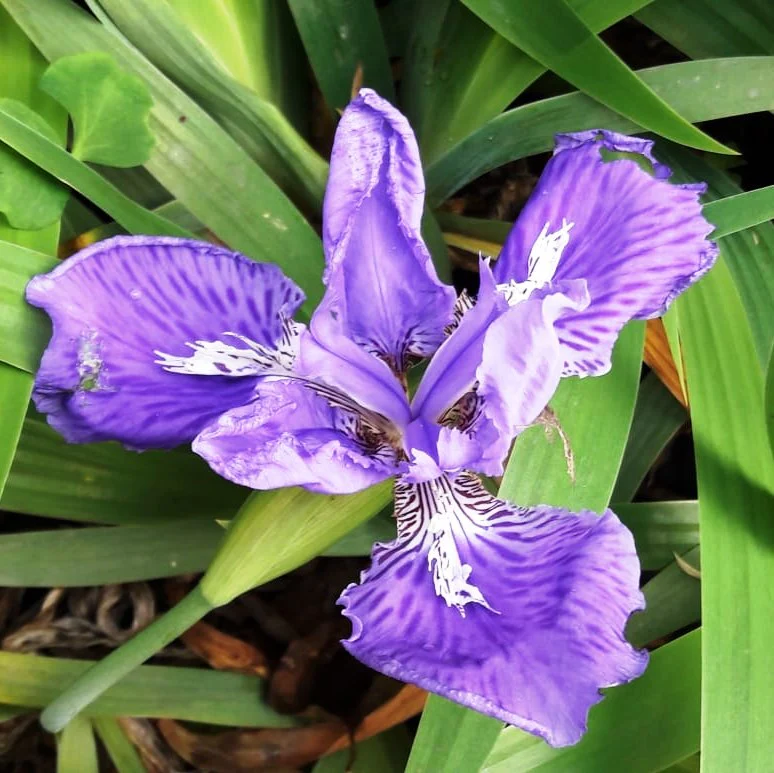
Iris Tectorum also known as "roof iris" for its traditional placement on Asian thatched roofs, Iris Tectorum is a hardy perennial prized for its architectural foliage and vibrant spring blooms. This compact variety reaches 12–18 inches, showcasing delicate violet-blue flowers with white crests nestled within dense clumps of lance-shaped, ribbed leaves. The glossy, upright foliage emerges in fan formations directly from the ground, creating textural interest even after flowering concludes. A key advantage: the flower stems persist year-round, eliminating the need for post-bloom pruning.
Flowering spans February–April in plains and March–May in hilly terrain. For optimal establishment, plant between October and November. This versatile, low-maintenance perennial combines ornamental appeal with practical durability, making it an excellent choice for gardeners seeking reliable seasonal color.
Environment
Grow fortnight lilies in light, dappled shade to nearly full sun. Once established, fortnight lilies tolerate poor, dry soils, but do best in a well drained soil with regular watering during the growing season.
Iris reach optimum growth when protected from afternoon sun and planted in garden soil with good drainage.
It is very versatile and can be planted in various mediums from moderately dry soils to wetlands.Plants grow to 4 or 5 feet tall in standing water, making it ideal for water gardens and wet soil.They reach about 2 to 3 feet in soil.
Cut the spent blooms off of the spike to encourage rebloom on the same stalk.
Landscape Use
Great in pots as well as gardens, the Japanese Iris is also used around water and as a feature softening rock landscaping.
Product Information
Product Information
Shipping & Returns
Shipping & Returns
Description
Japanese Roof Iris
Family
Iridaceae
Origin
China & Japan
Description
Iris Tectorum also known as "roof iris" for its traditional placement on Asian thatched roofs, Iris Tectorum is a hardy perennial prized for its architectural foliage and vibrant spring blooms. This compact variety reaches 12–18 inches, showcasing delicate violet-blue flowers with white crests nestled within dense clumps of lance-shaped, ribbed leaves. The glossy, upright foliage emerges in fan formations directly from the ground, creating textural interest even after flowering concludes. A key advantage: the flower stems persist year-round, eliminating the need for post-bloom pruning.
Flowering spans February–April in plains and March–May in hilly terrain. For optimal establishment, plant between October and November. This versatile, low-maintenance perennial combines ornamental appeal with practical durability, making it an excellent choice for gardeners seeking reliable seasonal color.
Environment
Grow fortnight lilies in light, dappled shade to nearly full sun. Once established, fortnight lilies tolerate poor, dry soils, but do best in a well drained soil with regular watering during the growing season.
Iris reach optimum growth when protected from afternoon sun and planted in garden soil with good drainage.
It is very versatile and can be planted in various mediums from moderately dry soils to wetlands.Plants grow to 4 or 5 feet tall in standing water, making it ideal for water gardens and wet soil.They reach about 2 to 3 feet in soil.
Cut the spent blooms off of the spike to encourage rebloom on the same stalk.
Landscape Use
Great in pots as well as gardens, the Japanese Iris is also used around water and as a feature softening rock landscaping.