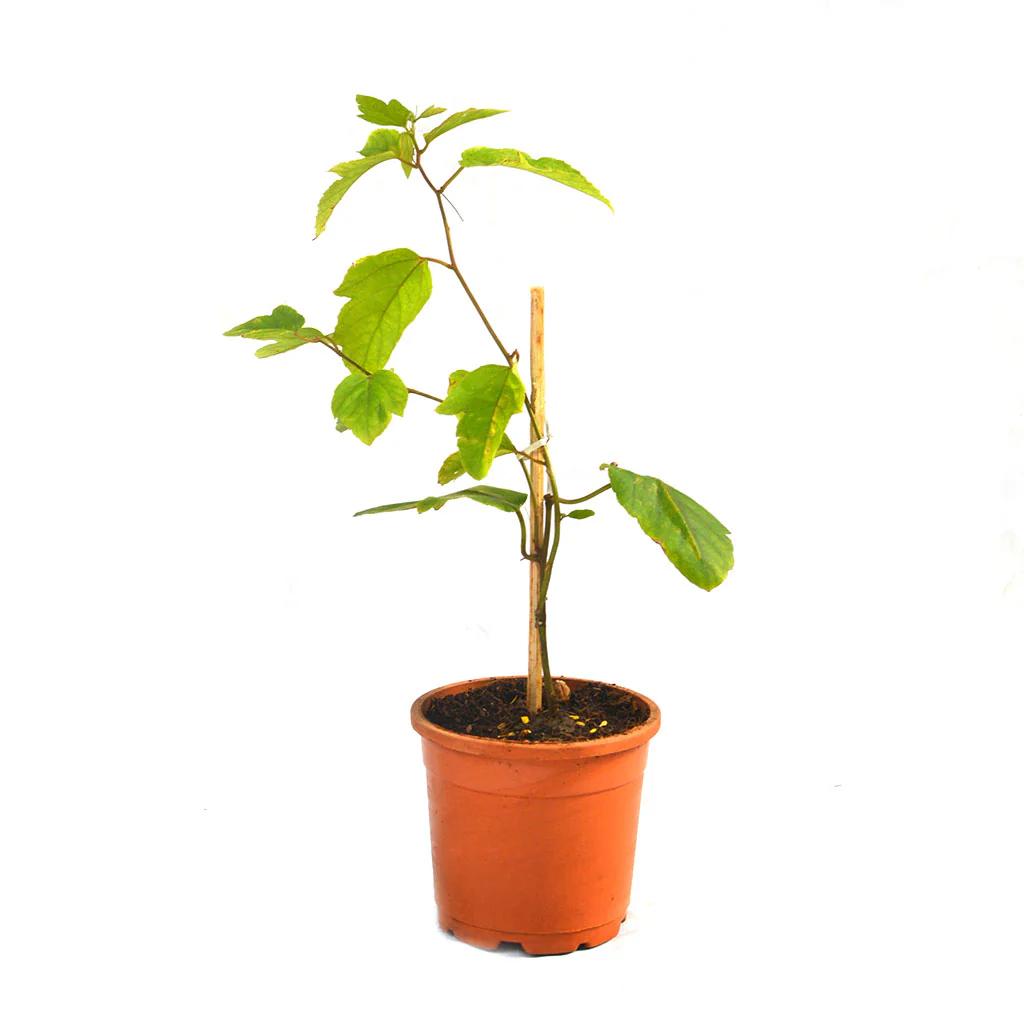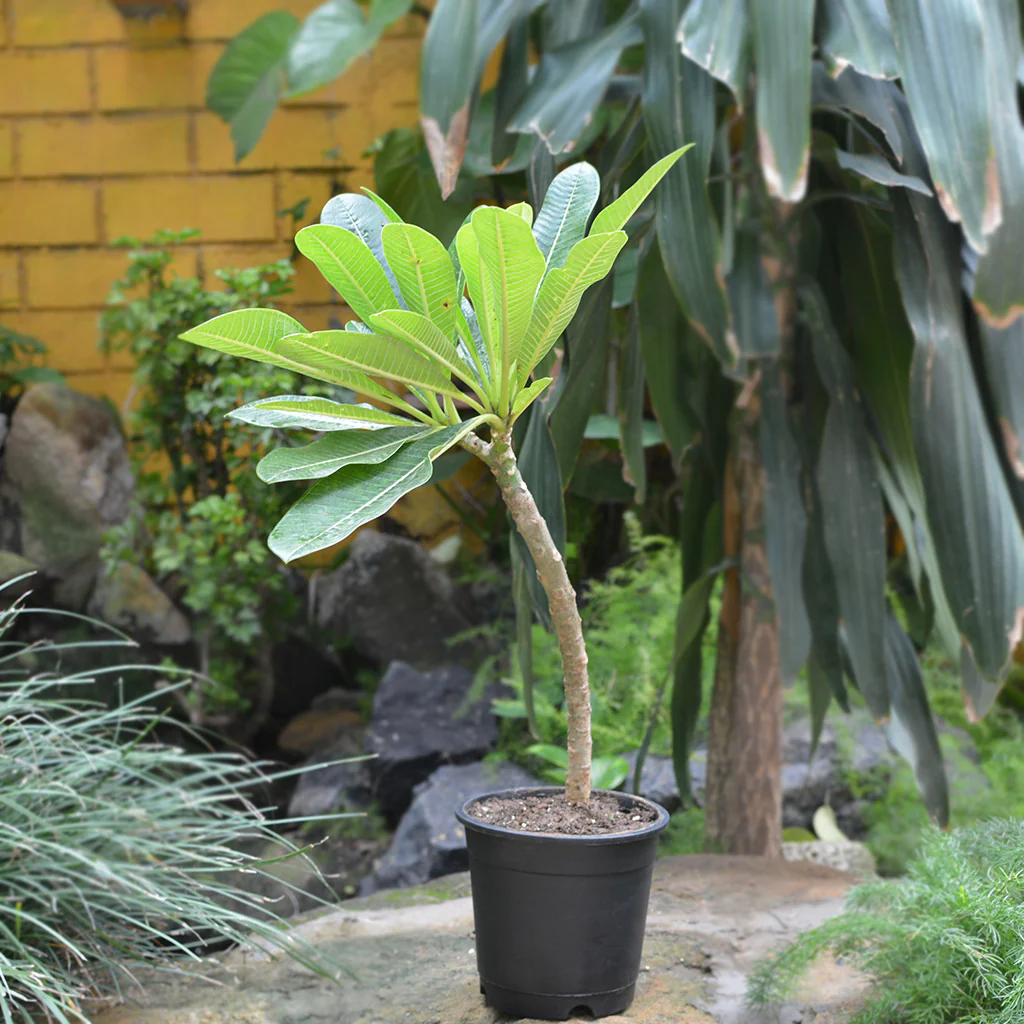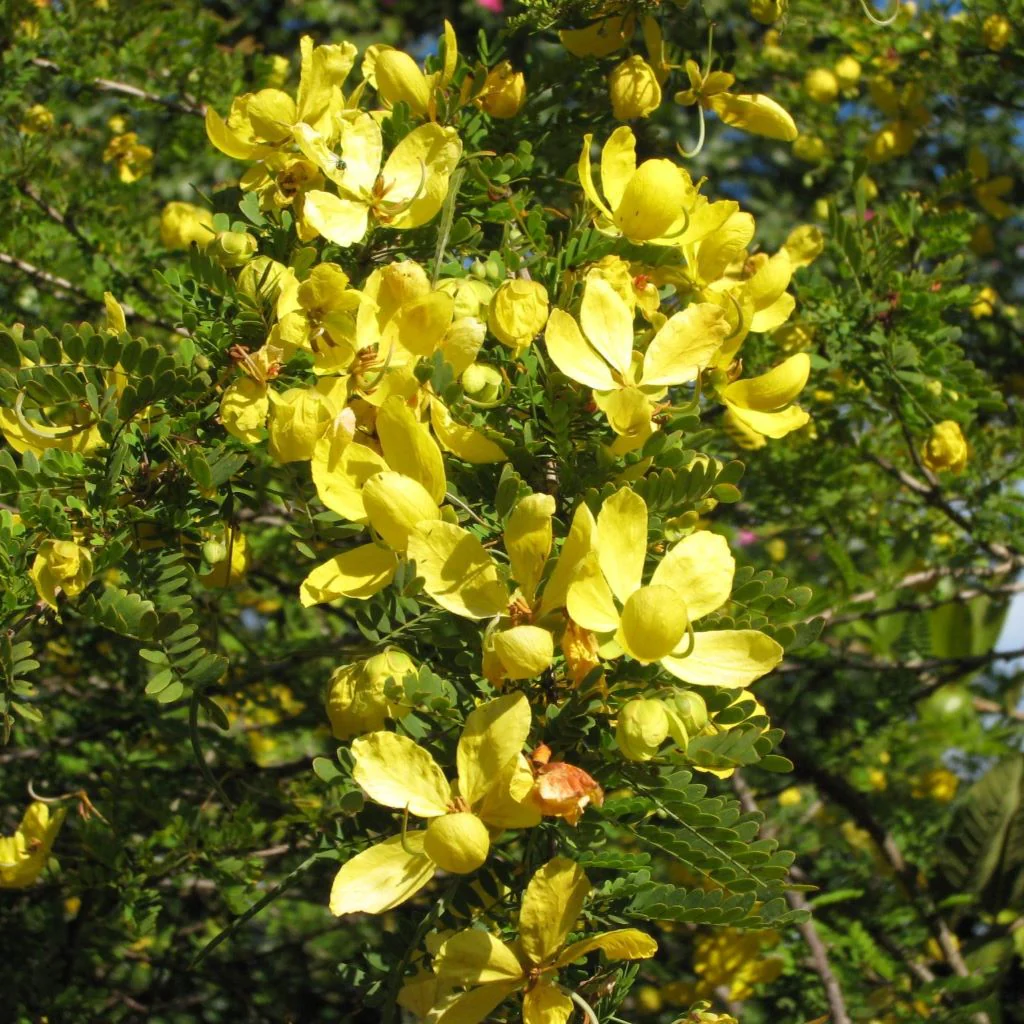
Senna Polyphylla Plant
Desert Cassia
Family
Fabaceae
Origin
Puerto Rico
Description
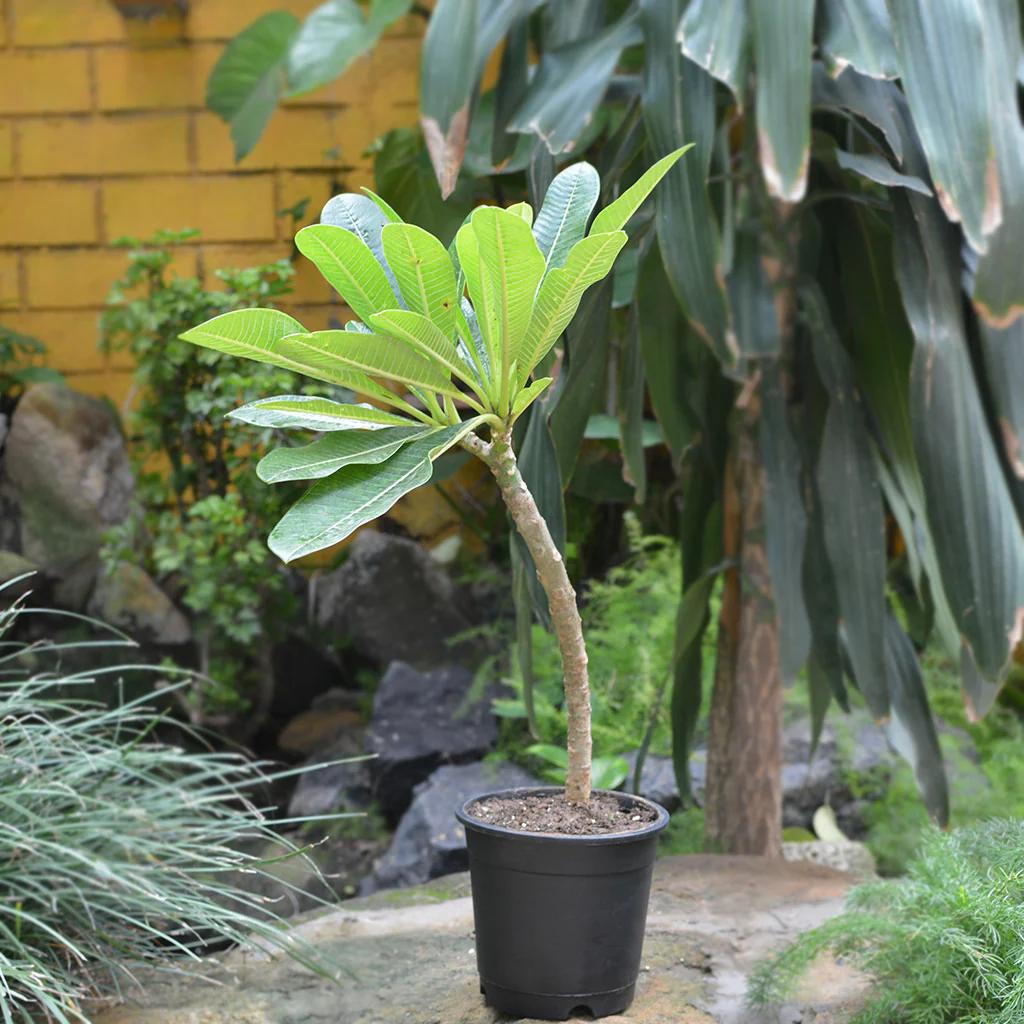
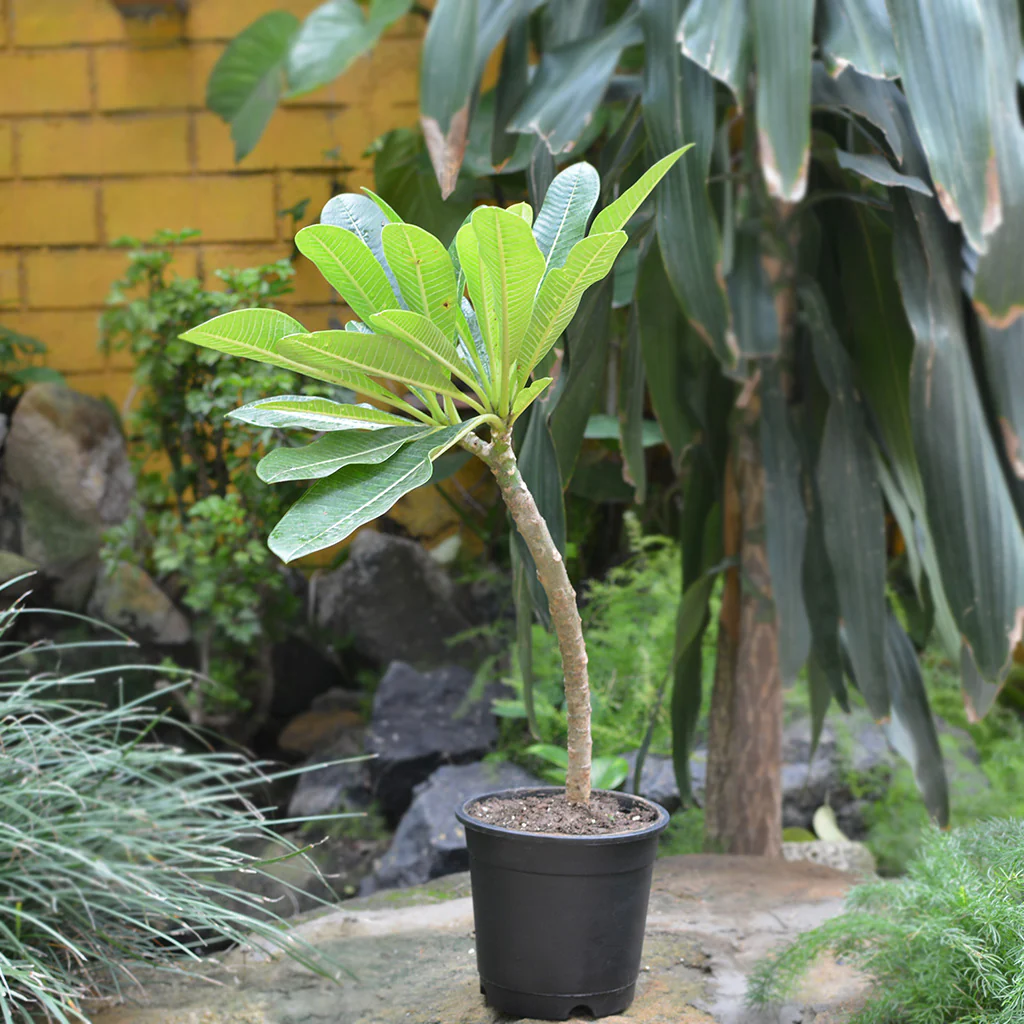
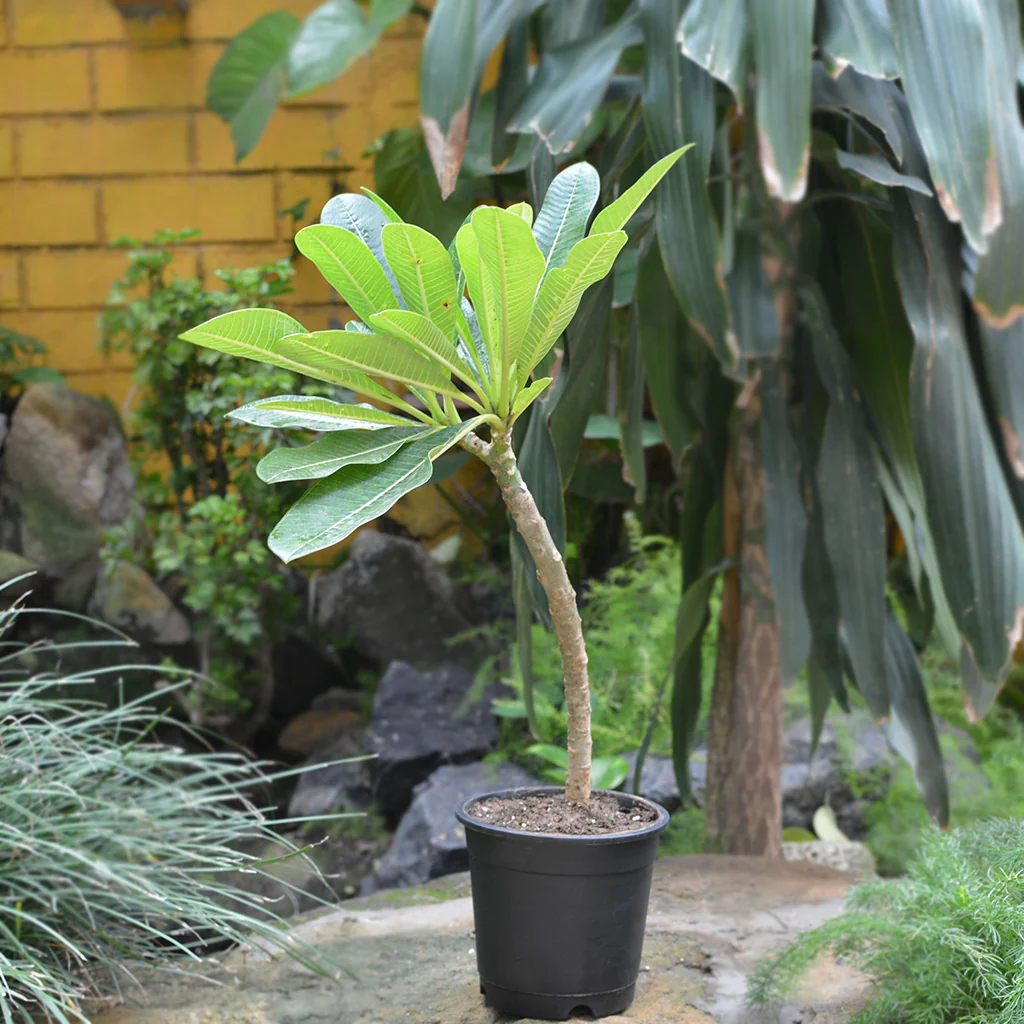
Desert cassia is a shrub or occasionally a small tree of dry and moist forests of the middle Caribbean, now cultivated as an ornamental. It is a very popular landscape tree due to its small weeping form, attaining a height of 6-15′ and a spread of 6-10′ wide. The leaves are alternate or clustered three to five at the nodes. These pinnately compound leaves have 3-15 pairs of leaflets that are 4-10 mm long. Its small leaves and moderate size makes this tree suitable for pot culture and bonsai.
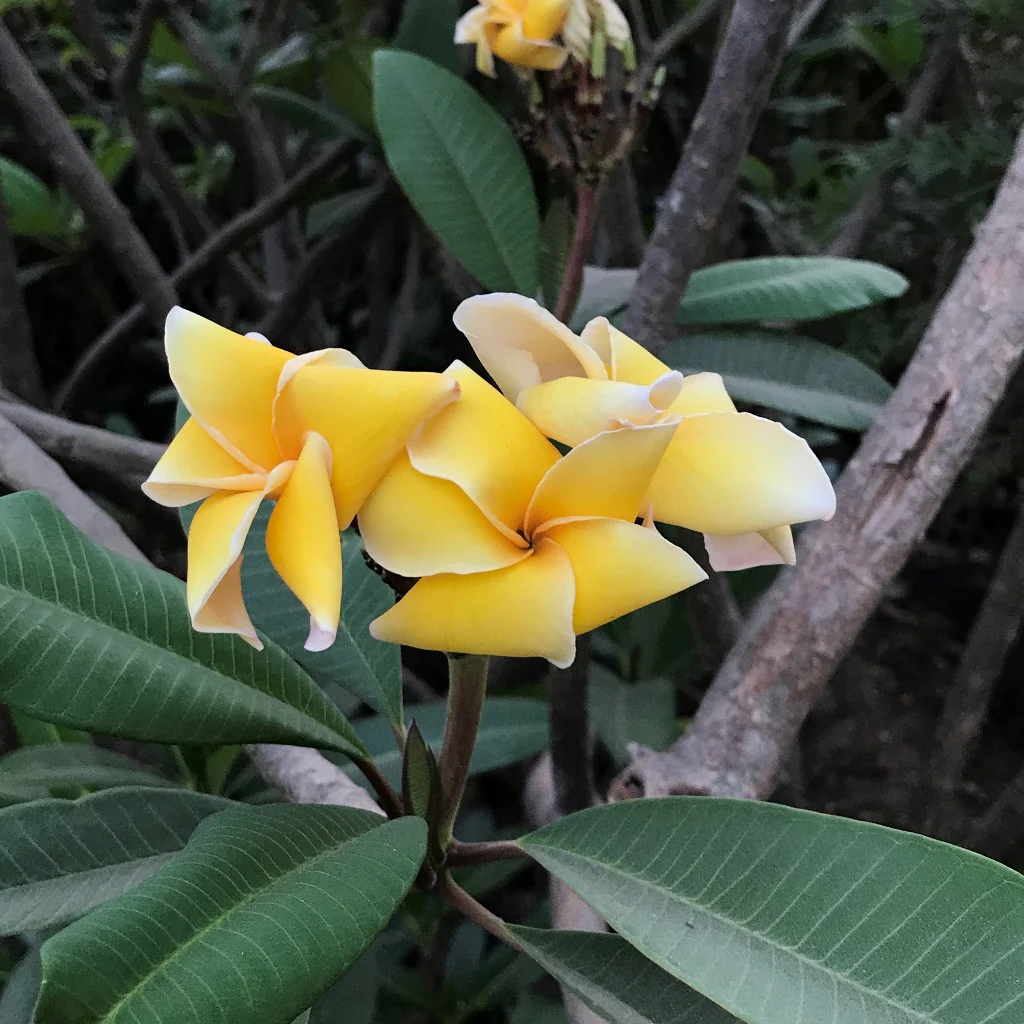
It's five-petaled 1" yellow flowers blossoms on and off year round all along the branches, grouped in axillary racemes of mostly two flowers. The legume is linear, 8-15 cm long, slightly contorted, flattened between the seeds, and dark brown at maturity.
This tree is also popular with butterfly enthusiasts, as it is a host plant for Sulphur Butterflies as well as an excellent nectar source.
Environment
The cassia tree requires first and foremost, full sunlight. On average the tree should get about 6 hours of sunlight every single day. The evergreen tree needs an abundance of sunlight to maintain the lush green foliage and keep blooming twice a year.
The cassia tree needs about 2 inches of water a week. This amount could go up in the summer if the weather becomes too hot for the soil to stay moist. Watering frequency can be twice a week. It is suited for soils which are Sandy to clay loam.
Landscape Uses
Grown as an ornamental and frequently planted along the sides of the road.
Original: $5.40
-70%$5.40
$1.62Product Information
Product Information
Shipping & Returns
Shipping & Returns
Description
Desert Cassia
Family
Fabaceae
Origin
Puerto Rico
Description
Desert cassia is a shrub or occasionally a small tree of dry and moist forests of the middle Caribbean, now cultivated as an ornamental. It is a very popular landscape tree due to its small weeping form, attaining a height of 6-15′ and a spread of 6-10′ wide. The leaves are alternate or clustered three to five at the nodes. These pinnately compound leaves have 3-15 pairs of leaflets that are 4-10 mm long. Its small leaves and moderate size makes this tree suitable for pot culture and bonsai.
It's five-petaled 1" yellow flowers blossoms on and off year round all along the branches, grouped in axillary racemes of mostly two flowers. The legume is linear, 8-15 cm long, slightly contorted, flattened between the seeds, and dark brown at maturity.
This tree is also popular with butterfly enthusiasts, as it is a host plant for Sulphur Butterflies as well as an excellent nectar source.
Environment
The cassia tree requires first and foremost, full sunlight. On average the tree should get about 6 hours of sunlight every single day. The evergreen tree needs an abundance of sunlight to maintain the lush green foliage and keep blooming twice a year.
The cassia tree needs about 2 inches of water a week. This amount could go up in the summer if the weather becomes too hot for the soil to stay moist. Watering frequency can be twice a week. It is suited for soils which are Sandy to clay loam.
Landscape Uses
Grown as an ornamental and frequently planted along the sides of the road.