Gladiolus 'Nova Lux’ Bulbs
Sword Lily
Family
Iridaceae
Origin
Asia, Mediterranean & South Africa
Description
Gladiolus are beautiful plants, grown from corms or bulbs, and a favorite of many gardeners. They are perennials with striking flowers and tall long stems that grow 2 to 6 feet in height. It is also known as the Queen amongst the bulbous flowers.
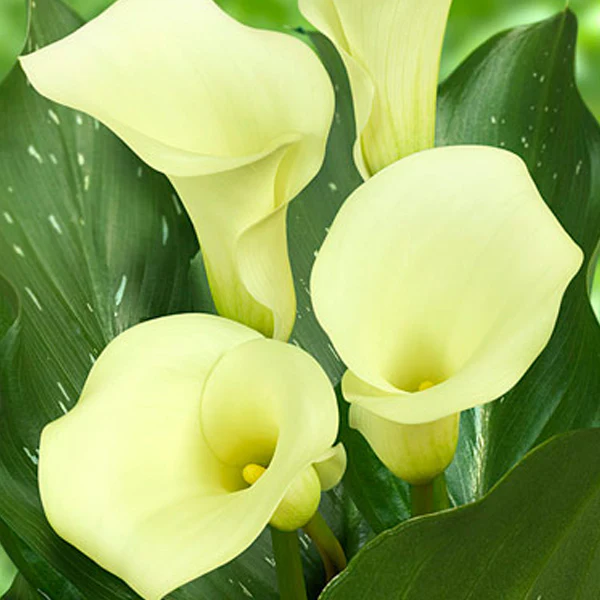
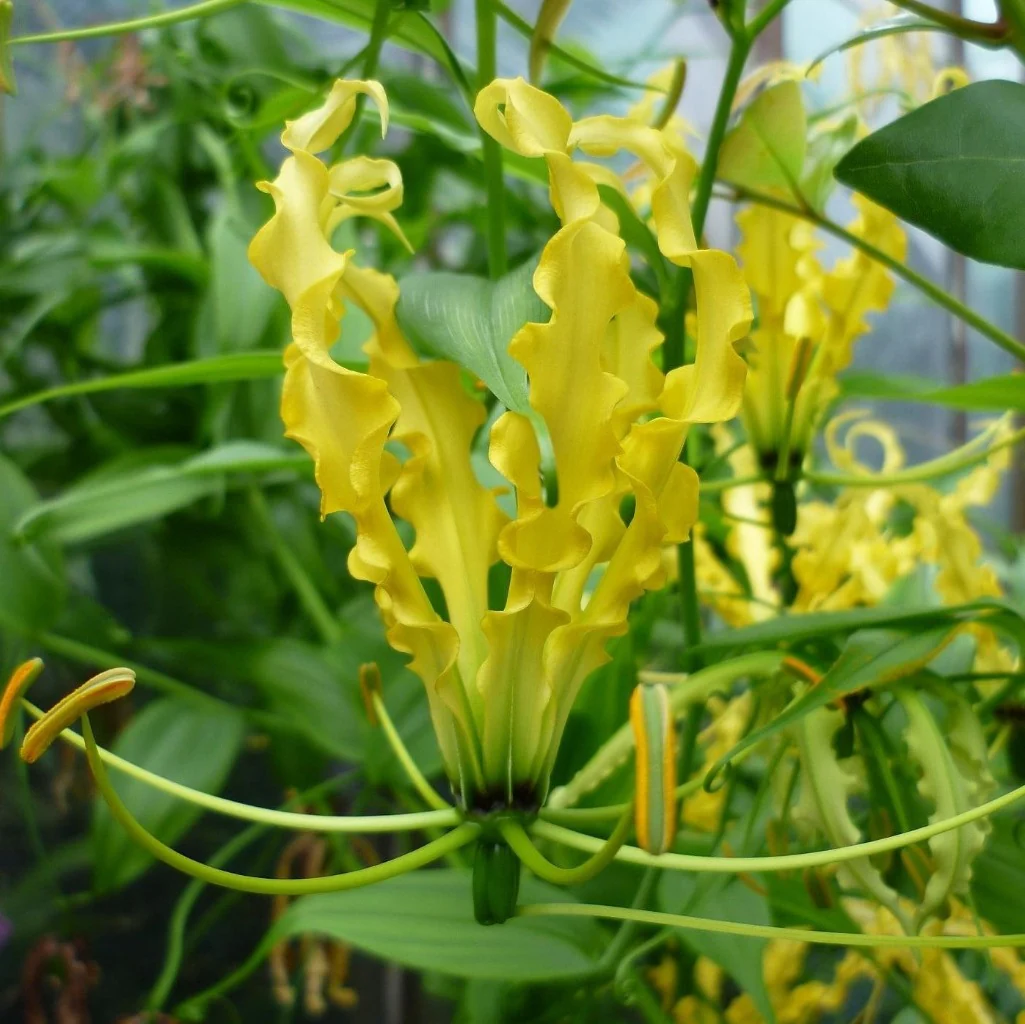
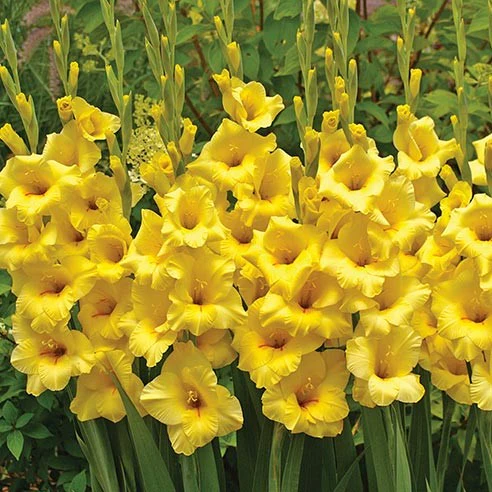
Gladiolus ‘Nova Lux’ features vibrant lemon-yellow flowers with delicate buttery-gold centers that brighten any garden setting. Its large, gently ruffled blooms appear sequentially along tall, robust stems, ideal for striking garden arrangements and enduring floral displays.
Gladiolus Nova Lux bulbs dazzle with tall spikes of bright yellow flowers, perfect for cheerful garden displays and bouquets. Flowers Nov–Feb (plains), Dec–Mar (hills). Plant Aug–Oct (plains) or Aug–Sep (hills).
Environment
Gladiolus ‘Nova Lux’ bulbs perform best in well-drained sandy-loam soil rich in organic matter, with full sun exposure for a minimum of 5 to 6 hours daily. Water moderately—apply thoroughly after planting, then maintain consistent moisture without causing waterlogging. Space corms 10 to 15 cm apart and plant them 5 to 8 cm deep for optimal development. Apply a balanced fertilizer, such as 10:10:10 NPK, at planting, then reapply when flower spikes emerge and again during blooming. Avoid overusing nitrogen, as it promotes foliage growth at the expense of flowers.
In India, the sowing period for Gladiolus varies by region:
-
Northern India (Cooler winters):
Sow from October to December (ideal: late October to November) -
Southern & Western India (Warmer winters):
Sow from September to November -
Hill stations (like Ooty, Darjeeling):
Spring planting – March to May
Gladioli generally flower 80 to 100 days after planting, with peak blooming from January to March for autumn or winter sowing in the plains, and from June to August for spring sowing in hill areas.
Landscape Use
It is a beautiful addition to any garden, and makes a wonderful container plant.
Product Information
Product Information
Shipping & Returns
Shipping & Returns
Description
Sword Lily
Family
Iridaceae
Origin
Asia, Mediterranean & South Africa
Description
Gladiolus are beautiful plants, grown from corms or bulbs, and a favorite of many gardeners. They are perennials with striking flowers and tall long stems that grow 2 to 6 feet in height. It is also known as the Queen amongst the bulbous flowers.
Gladiolus ‘Nova Lux’ features vibrant lemon-yellow flowers with delicate buttery-gold centers that brighten any garden setting. Its large, gently ruffled blooms appear sequentially along tall, robust stems, ideal for striking garden arrangements and enduring floral displays.
Gladiolus Nova Lux bulbs dazzle with tall spikes of bright yellow flowers, perfect for cheerful garden displays and bouquets. Flowers Nov–Feb (plains), Dec–Mar (hills). Plant Aug–Oct (plains) or Aug–Sep (hills).
Environment
Gladiolus ‘Nova Lux’ bulbs perform best in well-drained sandy-loam soil rich in organic matter, with full sun exposure for a minimum of 5 to 6 hours daily. Water moderately—apply thoroughly after planting, then maintain consistent moisture without causing waterlogging. Space corms 10 to 15 cm apart and plant them 5 to 8 cm deep for optimal development. Apply a balanced fertilizer, such as 10:10:10 NPK, at planting, then reapply when flower spikes emerge and again during blooming. Avoid overusing nitrogen, as it promotes foliage growth at the expense of flowers.
In India, the sowing period for Gladiolus varies by region:
-
Northern India (Cooler winters):
Sow from October to December (ideal: late October to November) -
Southern & Western India (Warmer winters):
Sow from September to November -
Hill stations (like Ooty, Darjeeling):
Spring planting – March to May
Gladioli generally flower 80 to 100 days after planting, with peak blooming from January to March for autumn or winter sowing in the plains, and from June to August for spring sowing in hill areas.
Landscape Use
It is a beautiful addition to any garden, and makes a wonderful container plant.