Gloxinia Multiflora (Mix Bulbs)
Sinningia speciosa
Family
Gesneriaceae
Origin
Brazil
Description
Gloxinia flowering plants was considered a both perennial & annual. The perennial variety plants would bloom and then die back. After a period of dormancy, the plant would regrow, delighting its owner with a fresh flush of big, velvety flowers. The hybrid variety are bred to quickly produce a large number of blossoms. These gloxinias produce an outstanding display for about two months, but once the flowers fade, the plant rarely comes back because it invests all its energy into flowers rather than sturdy roots. Therefore, these plants are best grown as annuals.
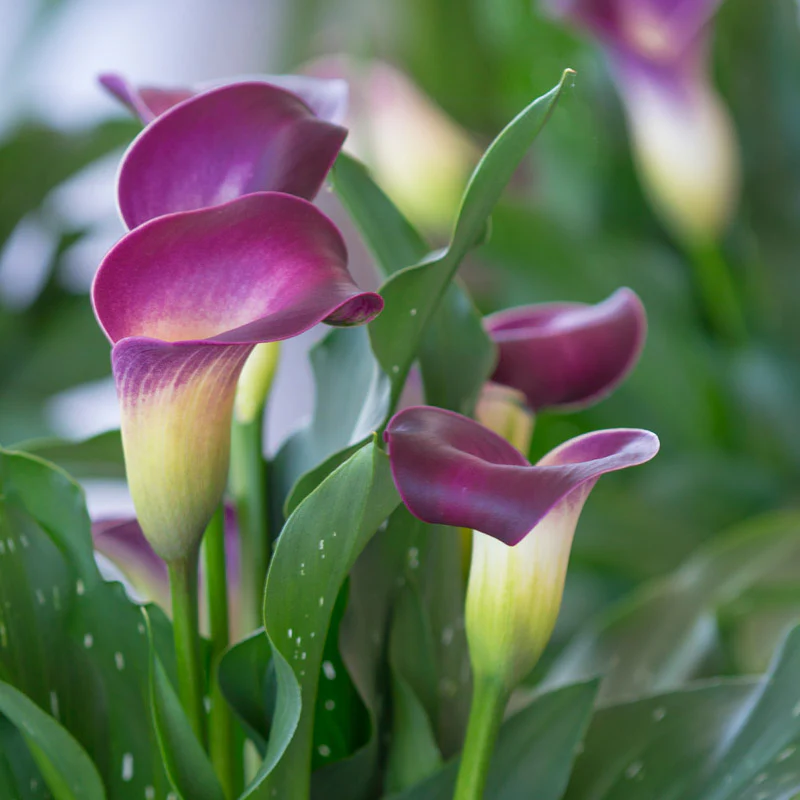
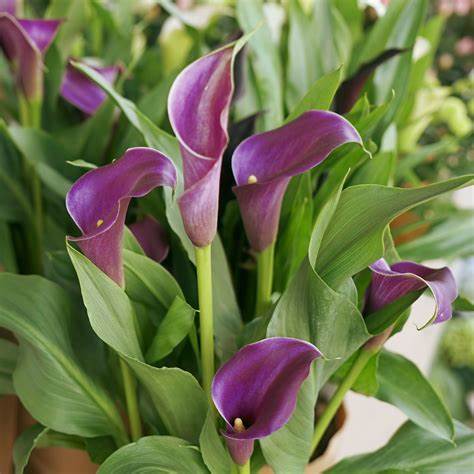
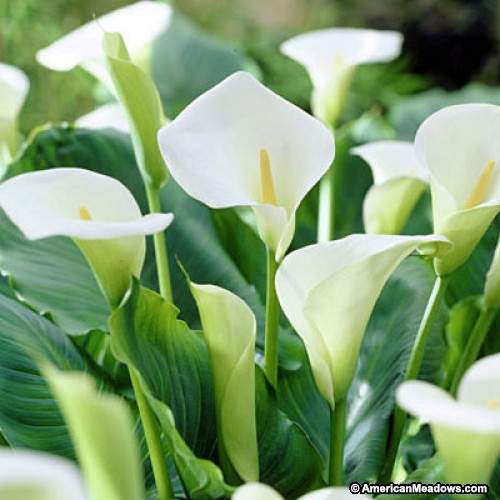
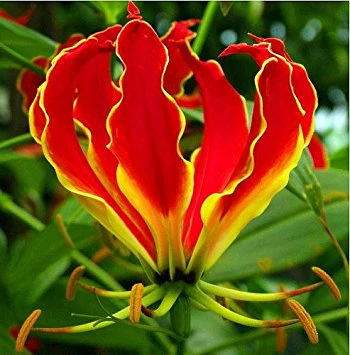
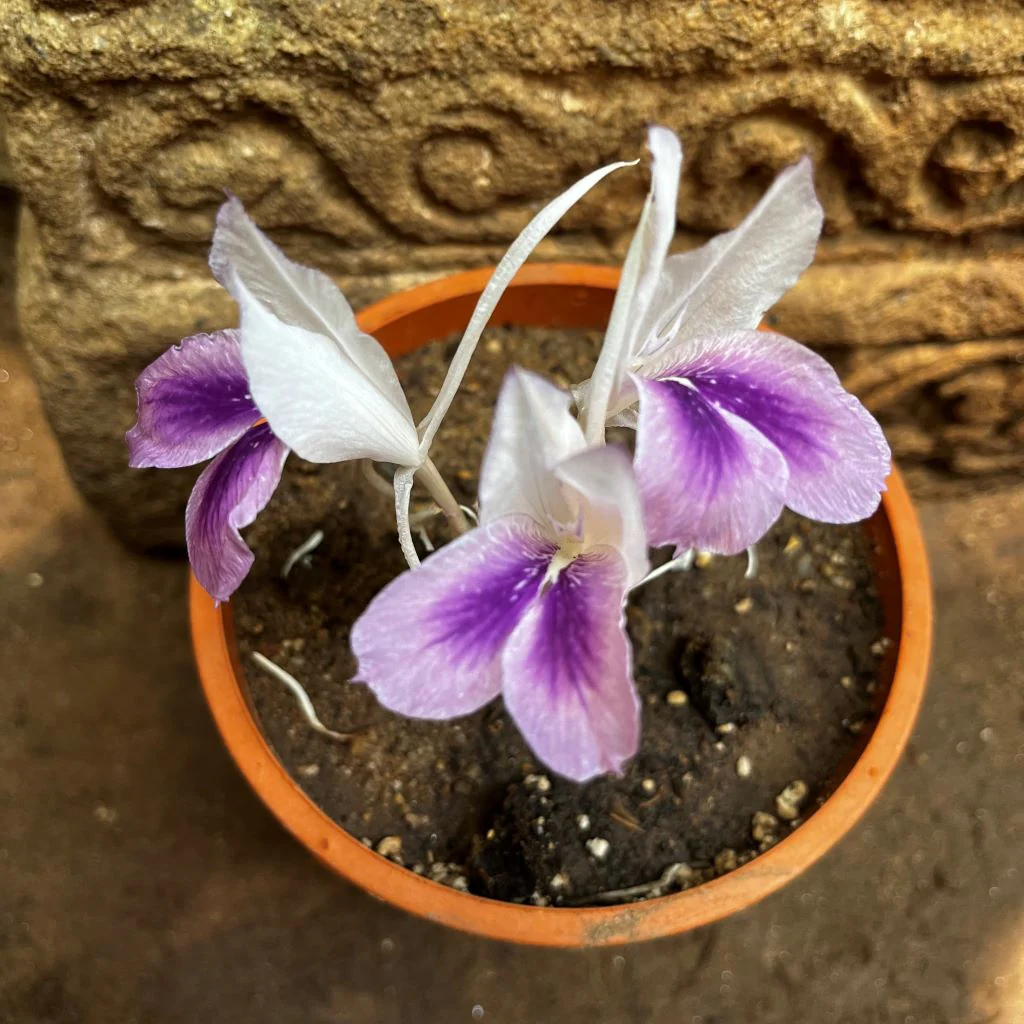
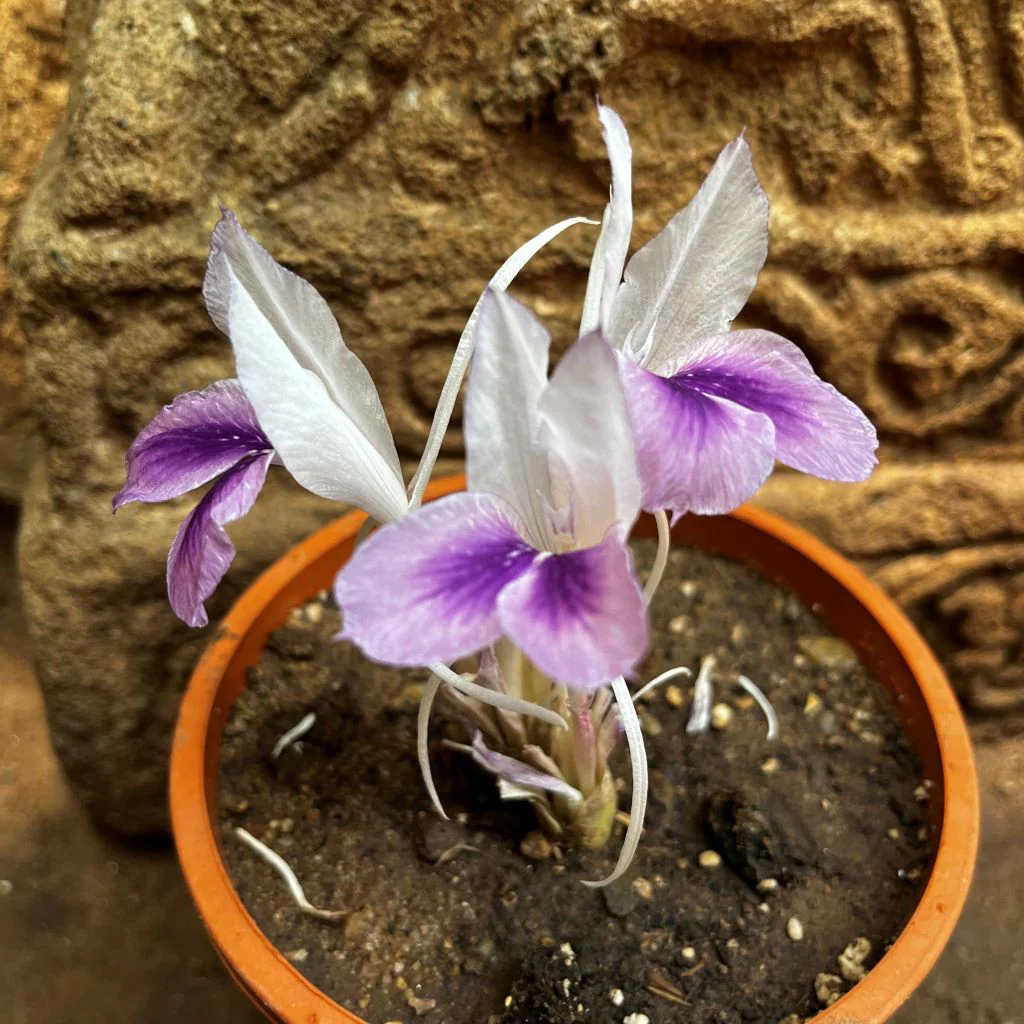
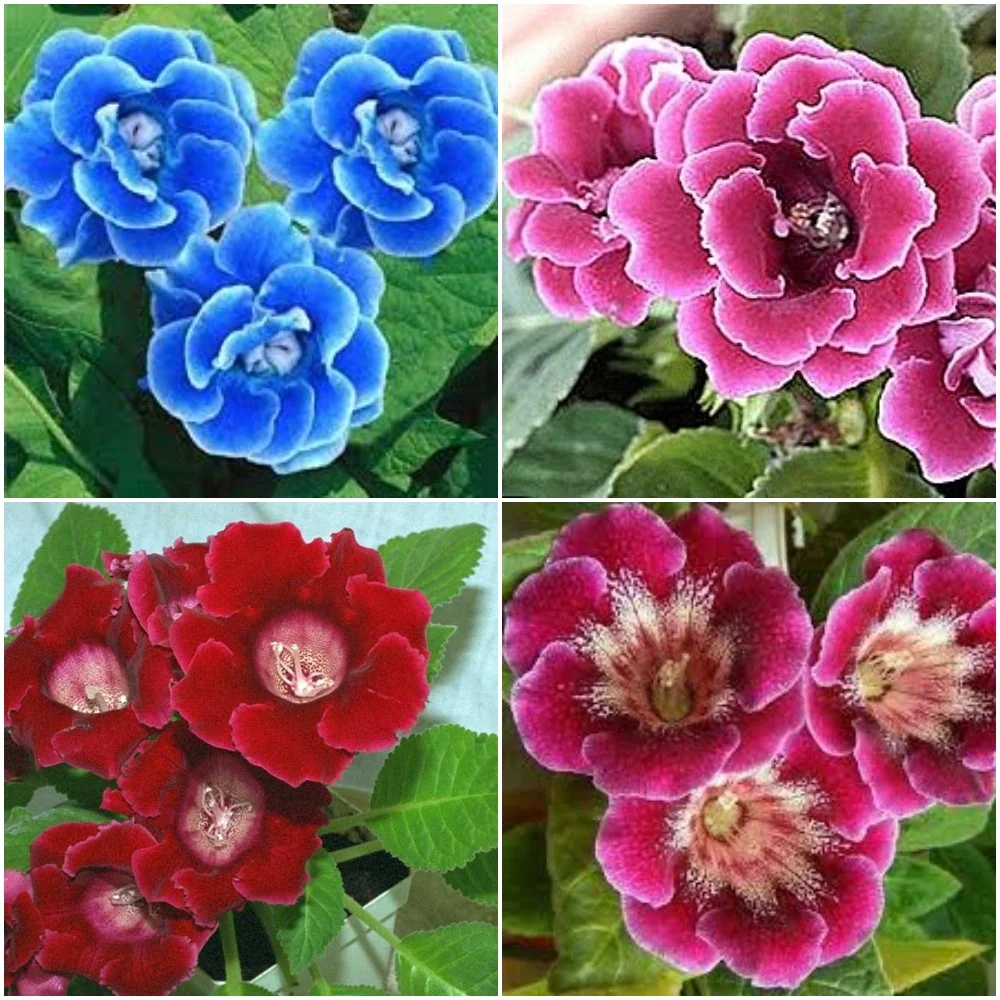
Gloxinia Multiflora bulbs develop into compact plants reaching 15–30 cm, showcasing spectacular tubular and bell-shaped blooms in a striking palette of blues, purples, pinks, crimsons, and whites. The velvety petals contrast beautifully with soft, textured foliage featuring distinctive toothed margins. These tuberous specimens thrive in container cultivation, making them ideal for indoor displays and controlled greenhouse environments.
Expect flowering from February to April in plains regions and March to May in hill stations, with optimal planting occurring between October and November across all zones.
Environment
Gloxinia flower care is not too difficult. Place gloxinias in a bright area, out of direct sunlight. A location near a sunny window just outside the reach of the sun’s rays is ideal. Growing gloxinia houseplants thrive in average room temperatures of between 60-75 F. (16-24 C.).
Water gloxinias often enough to keep the soil moist. The leaves develop brown spots if they get wet, so apply the water directly to the soil under the leaves. If allowed to dry out, gloxinias go dormant
Use a high-phosphorus liquid plant food every two weeks on your flowering gloxinia houseplant. When growing gloxinia houseplants as annuals, they don’t need repotting.
Landscape
Begonia Tuberous Double is an excellent plant to grow in handing baskets and containers. The Begonia flower also provides an outstanding colorful display when planted in flower beds and borders.
Caution
All parts of the plant are poisonous. should not be ingested and may irritate sensitive skin.
Product Information
Product Information
Shipping & Returns
Shipping & Returns
Description
Sinningia speciosa
Family
Gesneriaceae
Origin
Brazil
Description
Gloxinia flowering plants was considered a both perennial & annual. The perennial variety plants would bloom and then die back. After a period of dormancy, the plant would regrow, delighting its owner with a fresh flush of big, velvety flowers. The hybrid variety are bred to quickly produce a large number of blossoms. These gloxinias produce an outstanding display for about two months, but once the flowers fade, the plant rarely comes back because it invests all its energy into flowers rather than sturdy roots. Therefore, these plants are best grown as annuals.
Gloxinia Multiflora bulbs develop into compact plants reaching 15–30 cm, showcasing spectacular tubular and bell-shaped blooms in a striking palette of blues, purples, pinks, crimsons, and whites. The velvety petals contrast beautifully with soft, textured foliage featuring distinctive toothed margins. These tuberous specimens thrive in container cultivation, making them ideal for indoor displays and controlled greenhouse environments.
Expect flowering from February to April in plains regions and March to May in hill stations, with optimal planting occurring between October and November across all zones.
Environment
Gloxinia flower care is not too difficult. Place gloxinias in a bright area, out of direct sunlight. A location near a sunny window just outside the reach of the sun’s rays is ideal. Growing gloxinia houseplants thrive in average room temperatures of between 60-75 F. (16-24 C.).
Water gloxinias often enough to keep the soil moist. The leaves develop brown spots if they get wet, so apply the water directly to the soil under the leaves. If allowed to dry out, gloxinias go dormant
Use a high-phosphorus liquid plant food every two weeks on your flowering gloxinia houseplant. When growing gloxinia houseplants as annuals, they don’t need repotting.
Landscape
Begonia Tuberous Double is an excellent plant to grow in handing baskets and containers. The Begonia flower also provides an outstanding colorful display when planted in flower beds and borders.
Caution
All parts of the plant are poisonous. should not be ingested and may irritate sensitive skin.