Iris Japonica Plant
Fringed Iris
Family
Iridaceae
Origin
China & Japan
Description
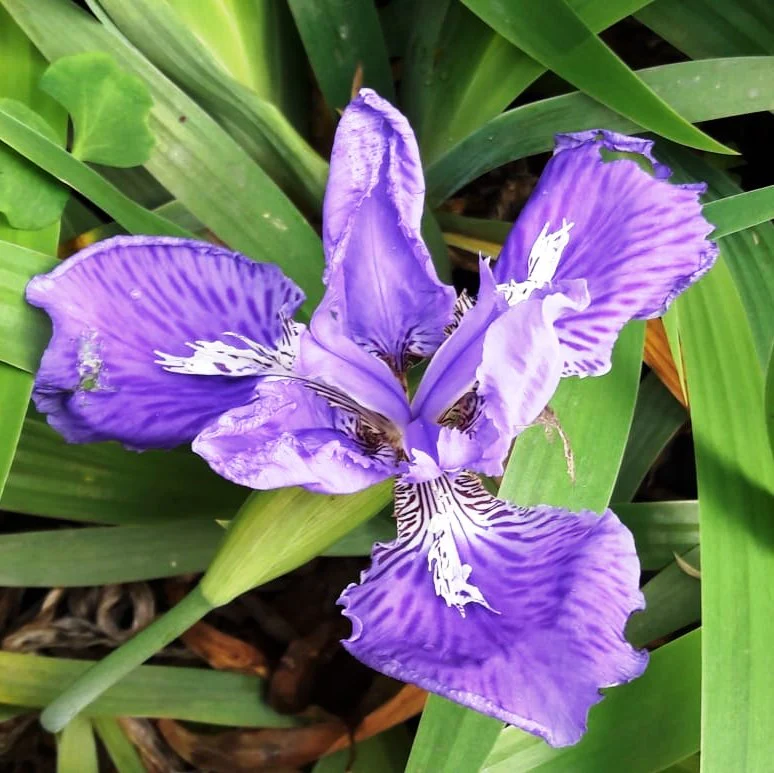
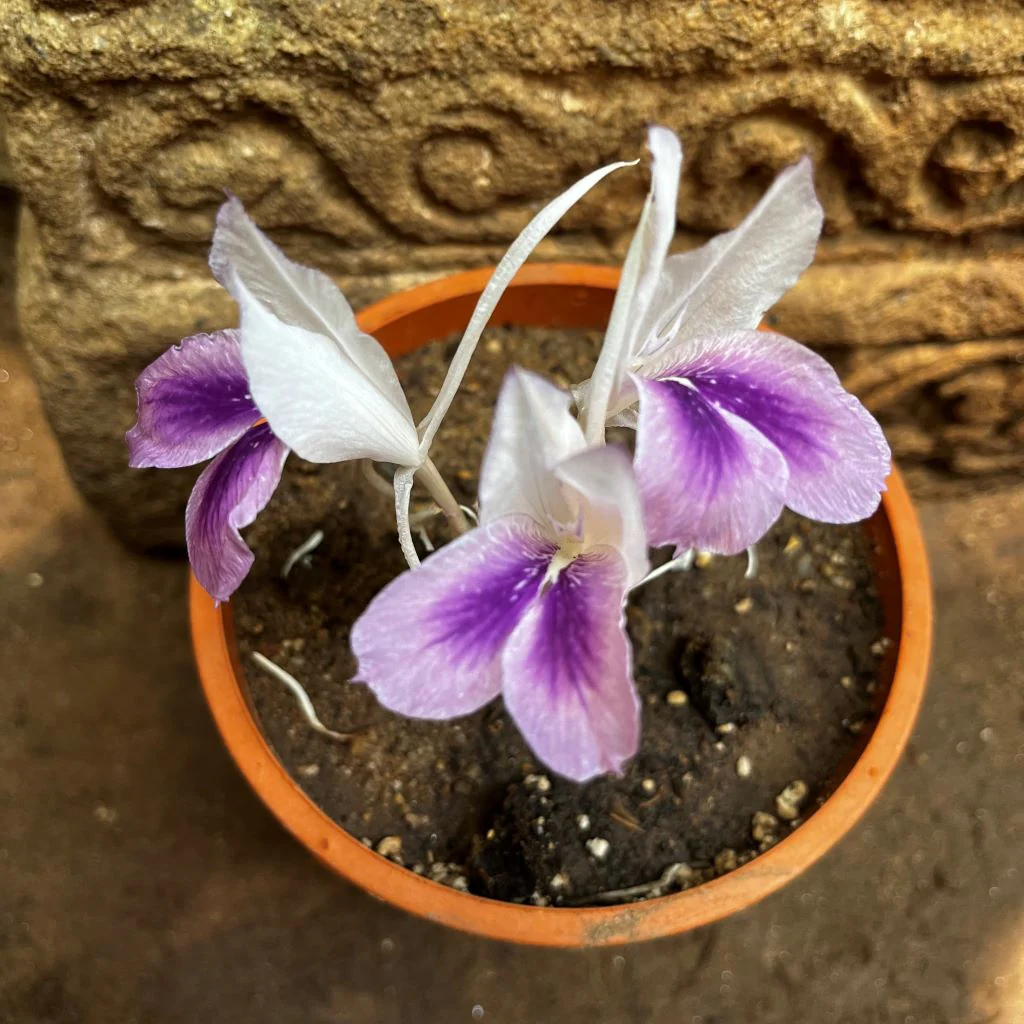
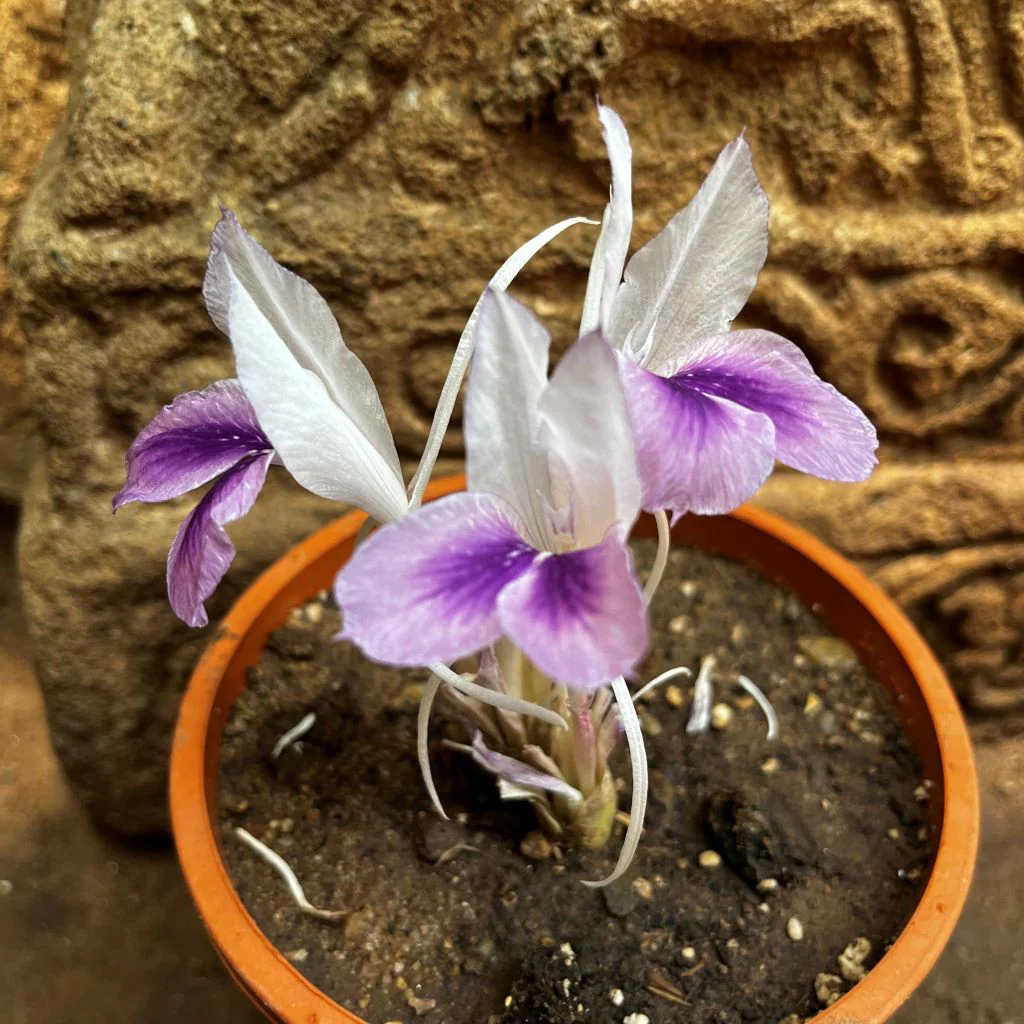
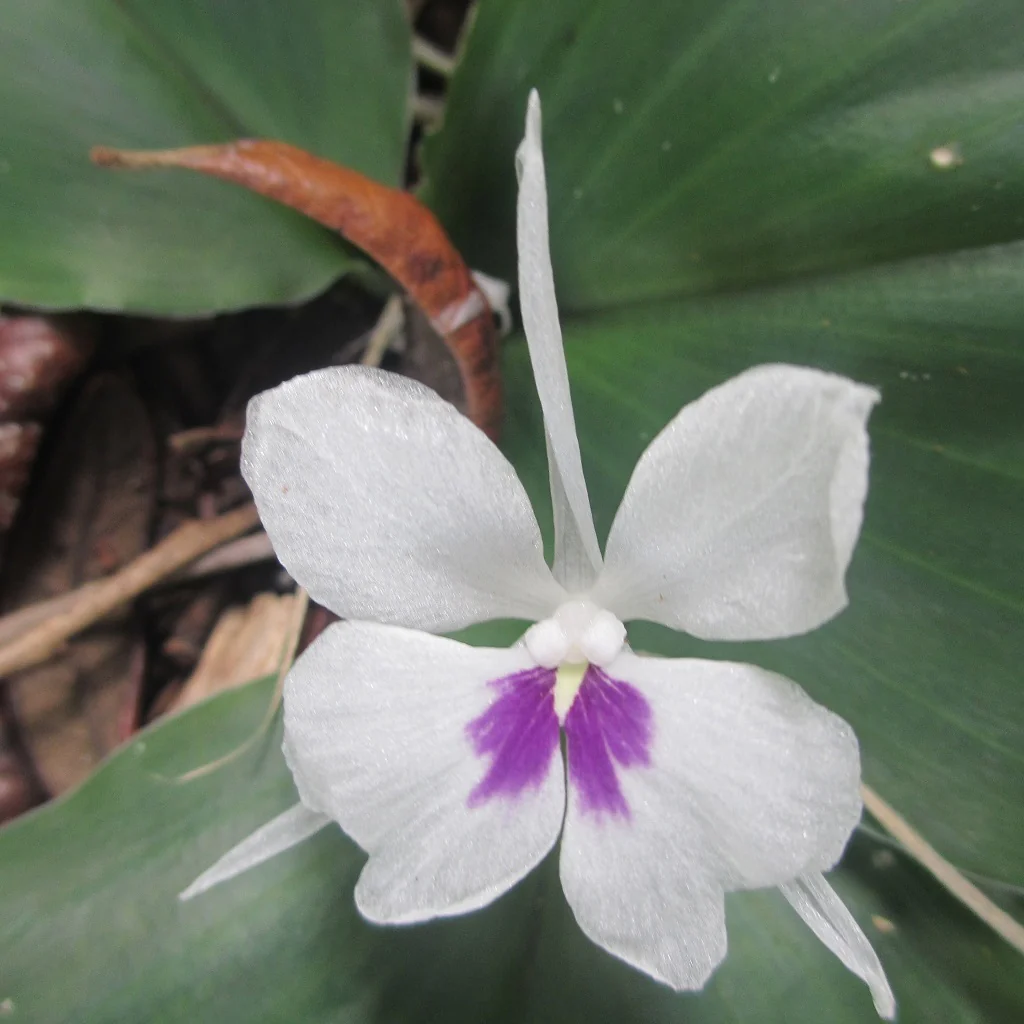
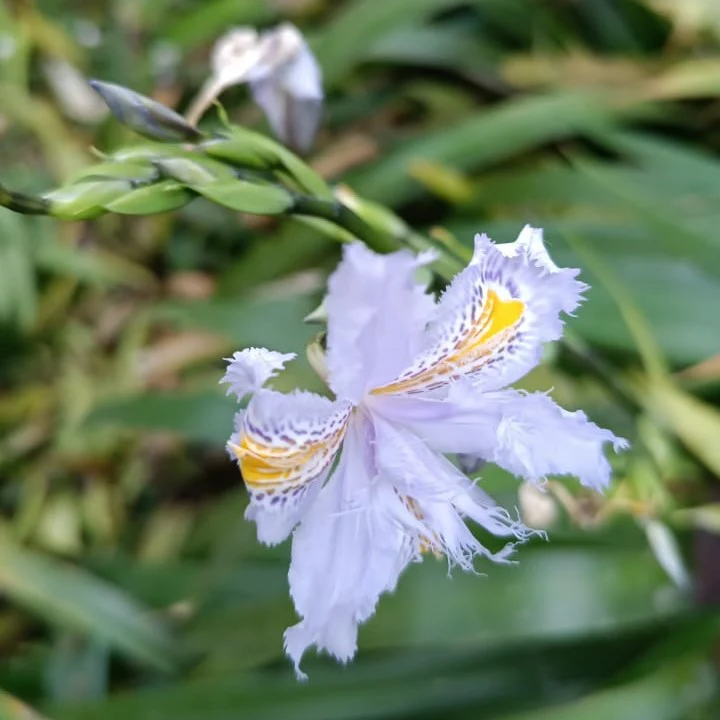
This elegant evergreen perennial, Iris Japonica showcases exquisite orchid-like blooms featuring white or soft blue petals with striking deep purple and orange-crested falls, each adorned with delicate fringing. The flowers, reaching up to 2 inches across, emerge abundantly on branched stems during late spring through early summer, rising gracefully above fans of glossy, sword-shaped foliage.
In Indian plains, expect blooms from February to April, while hilly regions see flowering from March to May. For optimal establishment, plant between October and November in both climates. A sophisticated choice for gardeners seeking refined, long-flowering perennials with distinctive architectural foliage.
Environment
Grow fortnight lilies in light, dappled shade to nearly full sun. Once established, fortnight lilies tolerate poor, dry soils, but do best in a well drained soil with regular watering during the growing season.
Iris reach optimum growth when protected from afternoon sun and planted in garden soil with good drainage.
It is very versatile and can be planted in various mediums from moderately dry soils to wetlands.Plants grow to 4 or 5 feet tall in standing water, making it ideal for water gardens and wet soil.They reach about 2 to 3 feet in soil.
Cut the spent blooms off of the spike to encourage rebloom on the same stalk.
Landscape Use
Useful under trees, attractive in rock gardens or in flower beds, Fringed Iris works well as a container plant too.
Product Information
Product Information
Shipping & Returns
Shipping & Returns
Description
Fringed Iris
Family
Iridaceae
Origin
China & Japan
Description
This elegant evergreen perennial, Iris Japonica showcases exquisite orchid-like blooms featuring white or soft blue petals with striking deep purple and orange-crested falls, each adorned with delicate fringing. The flowers, reaching up to 2 inches across, emerge abundantly on branched stems during late spring through early summer, rising gracefully above fans of glossy, sword-shaped foliage.
In Indian plains, expect blooms from February to April, while hilly regions see flowering from March to May. For optimal establishment, plant between October and November in both climates. A sophisticated choice for gardeners seeking refined, long-flowering perennials with distinctive architectural foliage.
Environment
Grow fortnight lilies in light, dappled shade to nearly full sun. Once established, fortnight lilies tolerate poor, dry soils, but do best in a well drained soil with regular watering during the growing season.
Iris reach optimum growth when protected from afternoon sun and planted in garden soil with good drainage.
It is very versatile and can be planted in various mediums from moderately dry soils to wetlands.Plants grow to 4 or 5 feet tall in standing water, making it ideal for water gardens and wet soil.They reach about 2 to 3 feet in soil.
Cut the spent blooms off of the spike to encourage rebloom on the same stalk.
Landscape Use
Useful under trees, attractive in rock gardens or in flower beds, Fringed Iris works well as a container plant too.