Iris Neomarica Gracilis Plant
Brazilian Iris
Family
Iridaceae
Origin
Brazil
Description
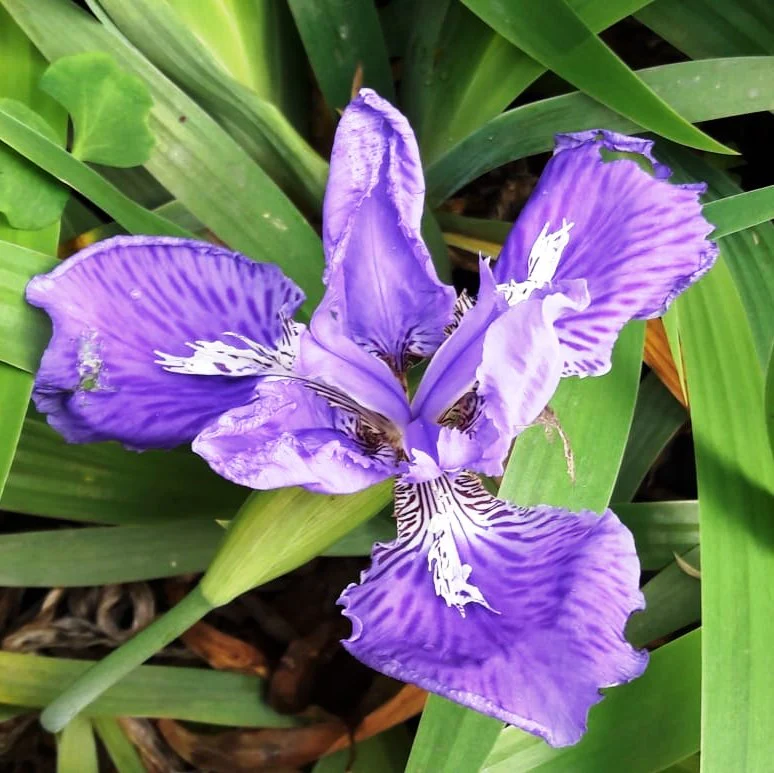
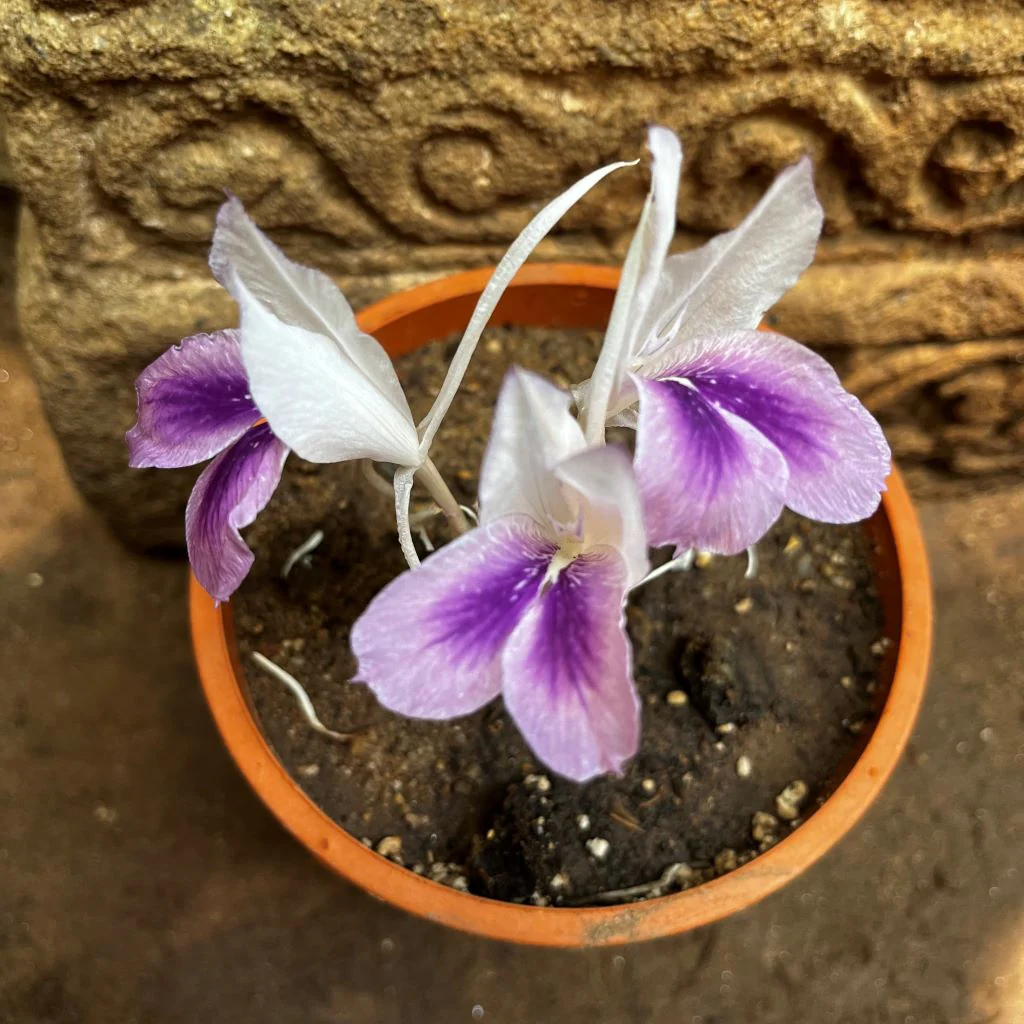
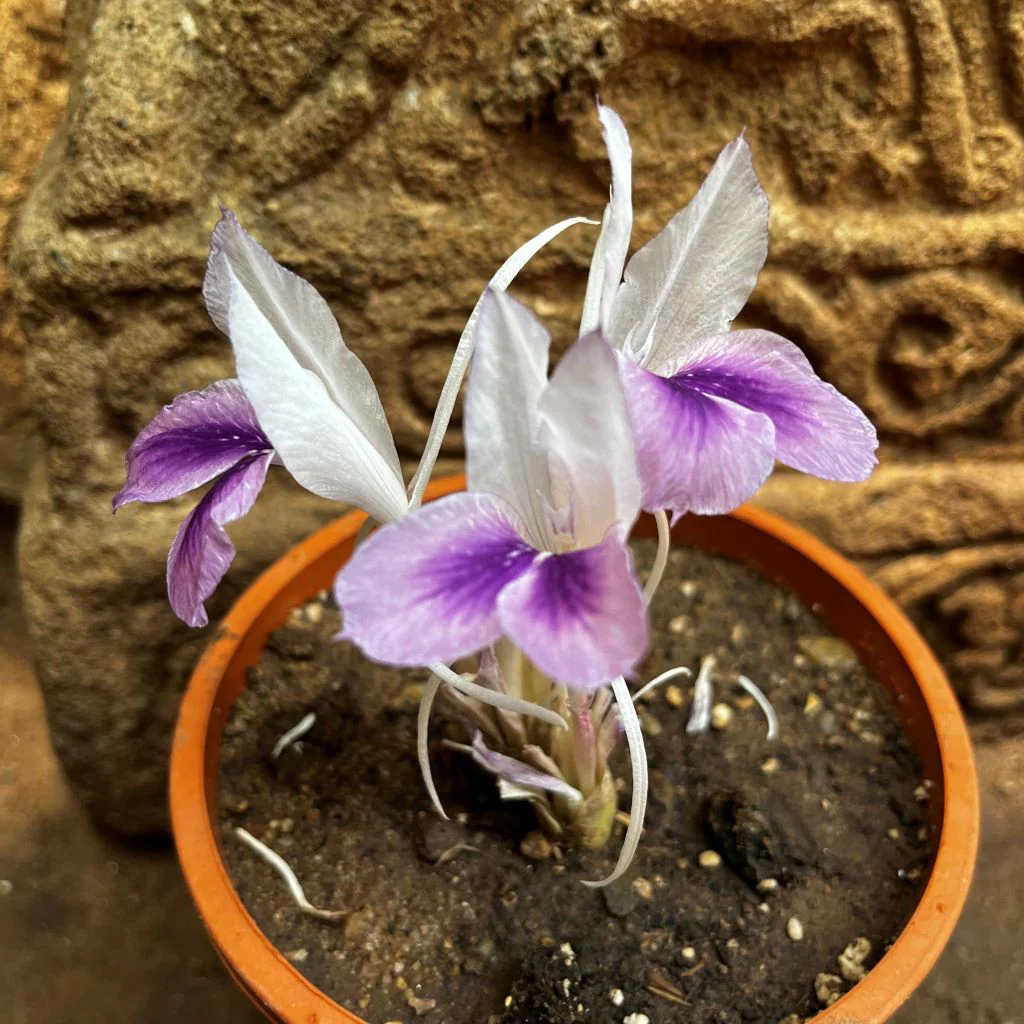
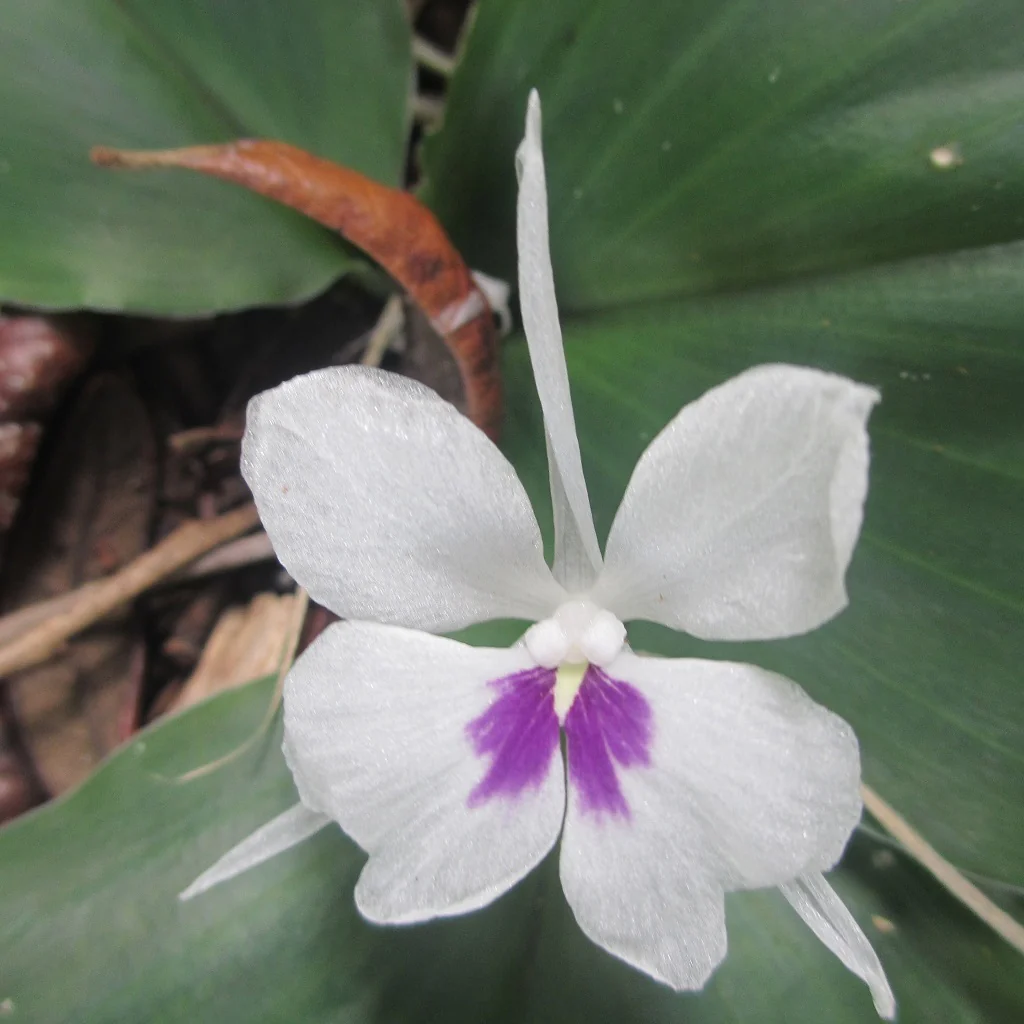
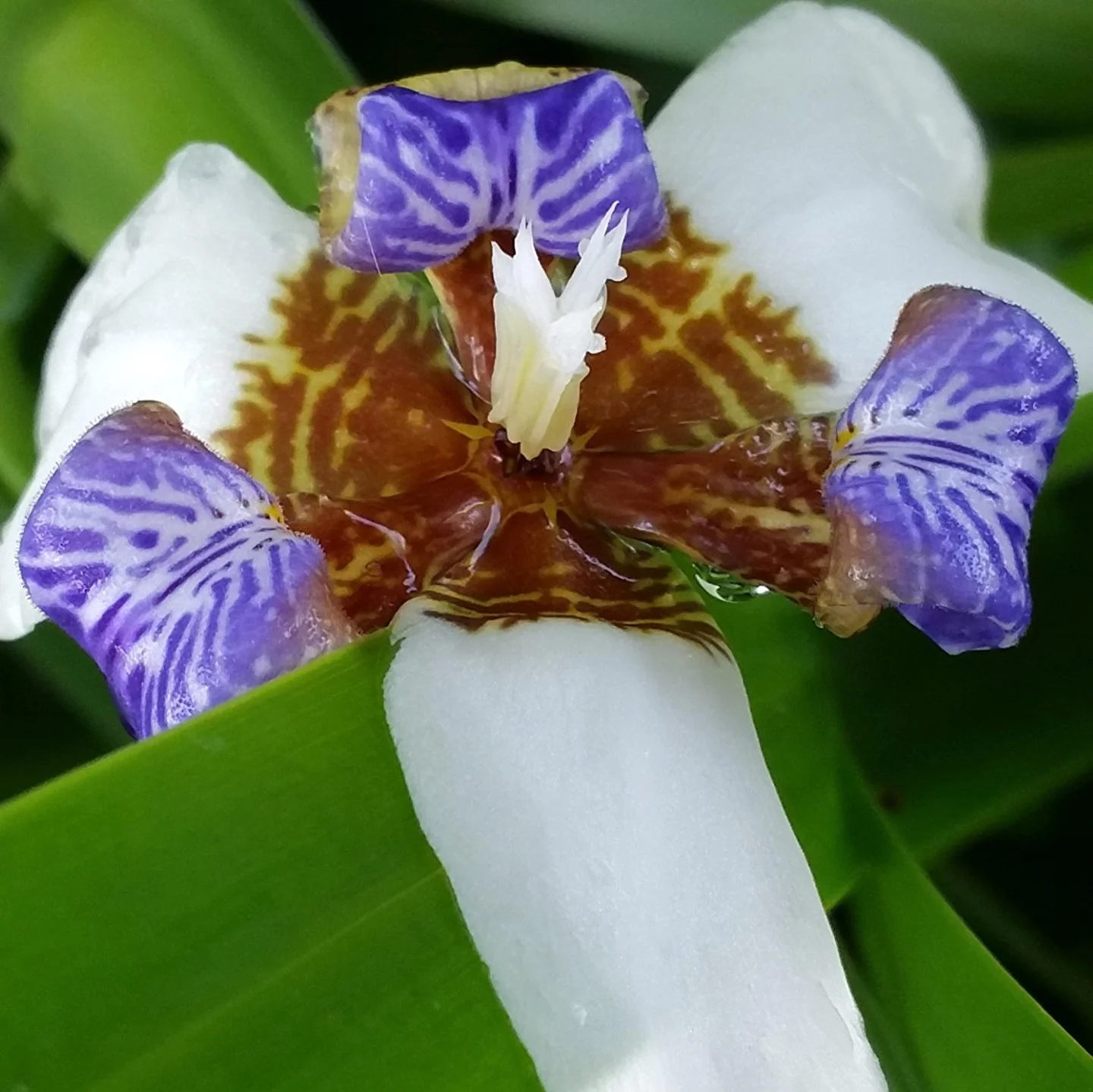
The Walking Iris (Neomarica Gracilis) is a striking perennial that forms dense clumps of glossy, sword-shaped foliage reaching 24 inches in length. During late winter and spring, it sends up elegant 3-foot spikes bearing delicate iris-like blooms with white outer petals banded in brown or gold and vibrant blue central petals. Though each flower persists for just a single day, successive blooms emerge every few days throughout the flowering season, extending the display for weeks. The blossoms emit a subtle fragrance and develop from a flattened, leaf-like sheath.
This adaptable perennial thrives across diverse growing conditions and flowers from February to April in lowland regions, extending to March-May in elevated areas. Optimal planting occurs between October and November for both plains and hill gardens.
Environment
Grow fortnight lilies in light, dappled shade to nearly full sun. Once established, fortnight lilies tolerate poor, dry soils, but do best in a well drained soil with regular watering during the growing season.
Brazilian Iris reach optimum growth when protected from afternoon sun and planted in garden soil with good drainage.
It is very versatile and can be planted in various mediums from moderately dry soils to wetlands.Plants grow to 4 or 5 feet tall in standing water, making it ideal for water gardens and wet soil. They reach about 2 to 3 feet in soil.
Cut the spent blooms off of the spike to encourage rebloom on the same stalk.
Landscape Use
The Walking Iris is a great addition to rockeries, surrounding ponds, bordering pathways or just as an under-story filler.
Original: $3.95
-70%$3.95
$1.19Product Information
Product Information
Shipping & Returns
Shipping & Returns
Description
Brazilian Iris
Family
Iridaceae
Origin
Brazil
Description
The Walking Iris (Neomarica Gracilis) is a striking perennial that forms dense clumps of glossy, sword-shaped foliage reaching 24 inches in length. During late winter and spring, it sends up elegant 3-foot spikes bearing delicate iris-like blooms with white outer petals banded in brown or gold and vibrant blue central petals. Though each flower persists for just a single day, successive blooms emerge every few days throughout the flowering season, extending the display for weeks. The blossoms emit a subtle fragrance and develop from a flattened, leaf-like sheath.
This adaptable perennial thrives across diverse growing conditions and flowers from February to April in lowland regions, extending to March-May in elevated areas. Optimal planting occurs between October and November for both plains and hill gardens.
Environment
Grow fortnight lilies in light, dappled shade to nearly full sun. Once established, fortnight lilies tolerate poor, dry soils, but do best in a well drained soil with regular watering during the growing season.
Brazilian Iris reach optimum growth when protected from afternoon sun and planted in garden soil with good drainage.
It is very versatile and can be planted in various mediums from moderately dry soils to wetlands.Plants grow to 4 or 5 feet tall in standing water, making it ideal for water gardens and wet soil. They reach about 2 to 3 feet in soil.
Cut the spent blooms off of the spike to encourage rebloom on the same stalk.
Landscape Use
The Walking Iris is a great addition to rockeries, surrounding ponds, bordering pathways or just as an under-story filler.