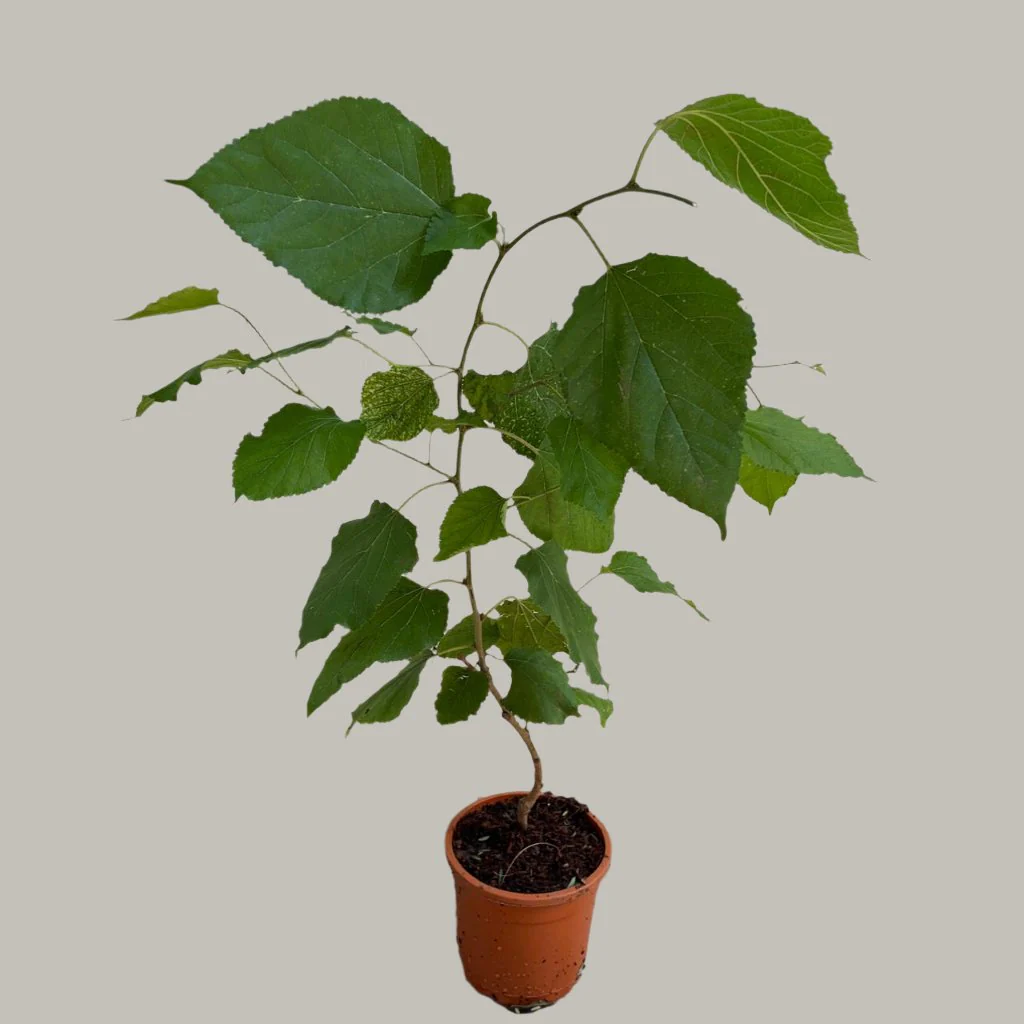
Fig Deanna Tissue Culture Anjeer Plant
Ficus carica 'Deanna' - Fig Deanna Tissue Culture Plant (Family: Moraceae)
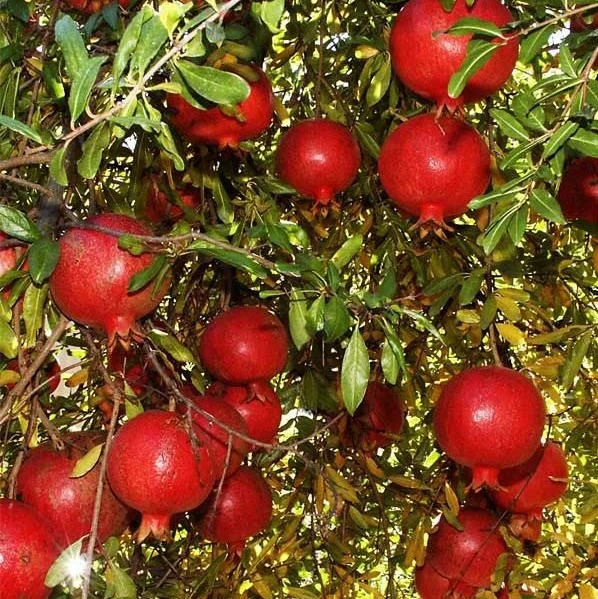
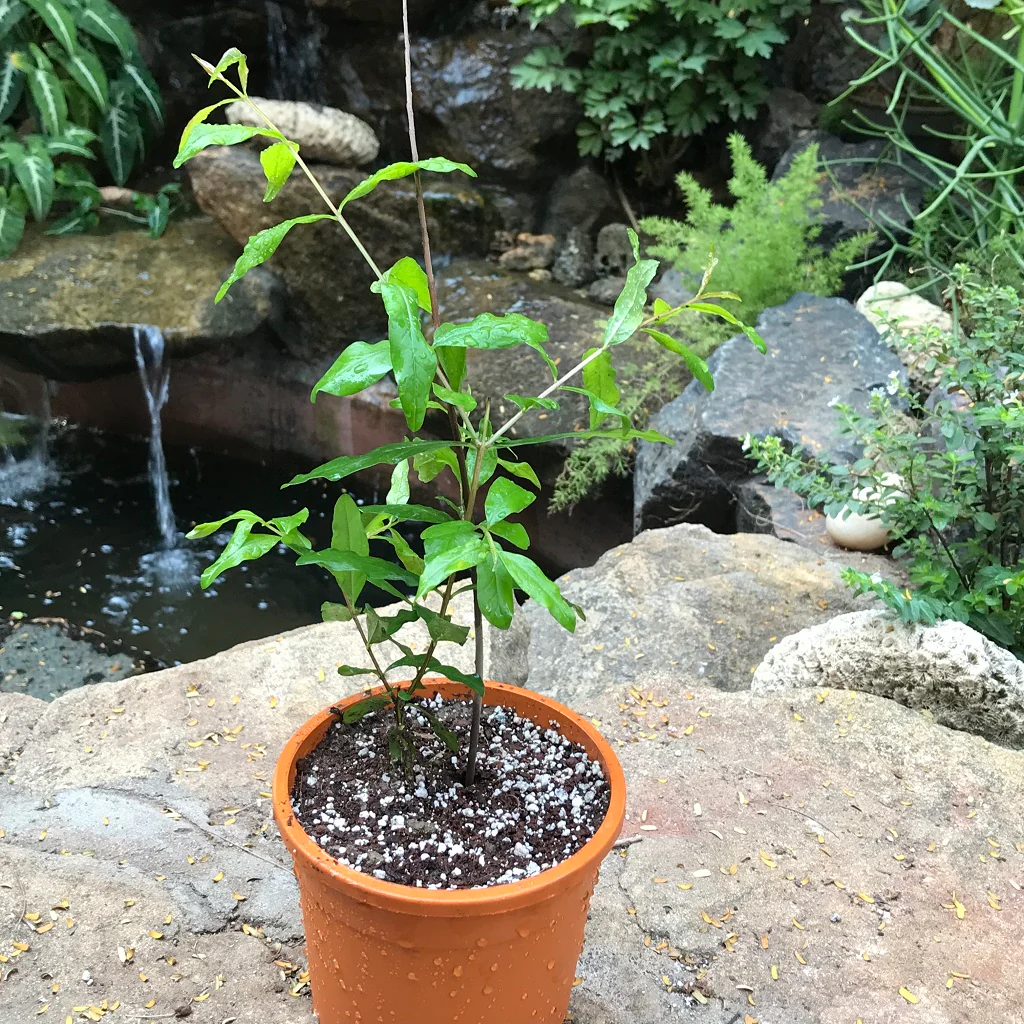
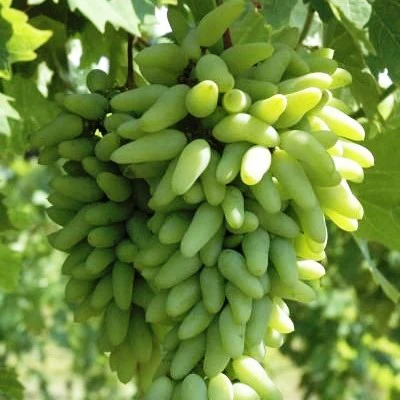
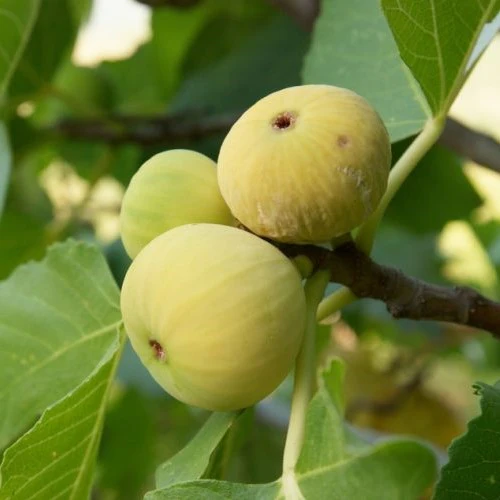
Ficus carica 'Deanna' (Family: Moraceae) produces exceptionally large figs (100g+) with green-yellow skin and sweet amber-strawberry flesh. Developed by Dr. Ira Condit at UC Davis, this premium variety offers breba + main crops with split/crack resistance. Perfect for 16-20" containers, terrace espaliers, or small orchards. Fruits 1-2 years after planting.
Environment
Full sun (8+ hours), warm summers (25-35°C), mild winters. Drought tolerant once established. Prefers well-draining loamy/calcareous soil (pH 7-8). Tolerates light frost (0°F). Deciduous - bare winter silhouette.
Deanna Variety Benefits
- Extra-large figs: 100g+ (largest yellow varieties)
- Sweet amber-strawberry flesh, honeyed flavor
- Breba + main crop: Double harvest potential
- Split/crack resistant: Reliable market fruit
- Cold hardy: Survives 0°F winters
Salient Features
- Mature height: 10-20ft (prune to 8ft containers)
- Harvest: Late summer (Aug-Oct), 10-15lbs/season
- Self-fruitful: No pollination needed
- Tissue culture: Disease-free, true-to-type
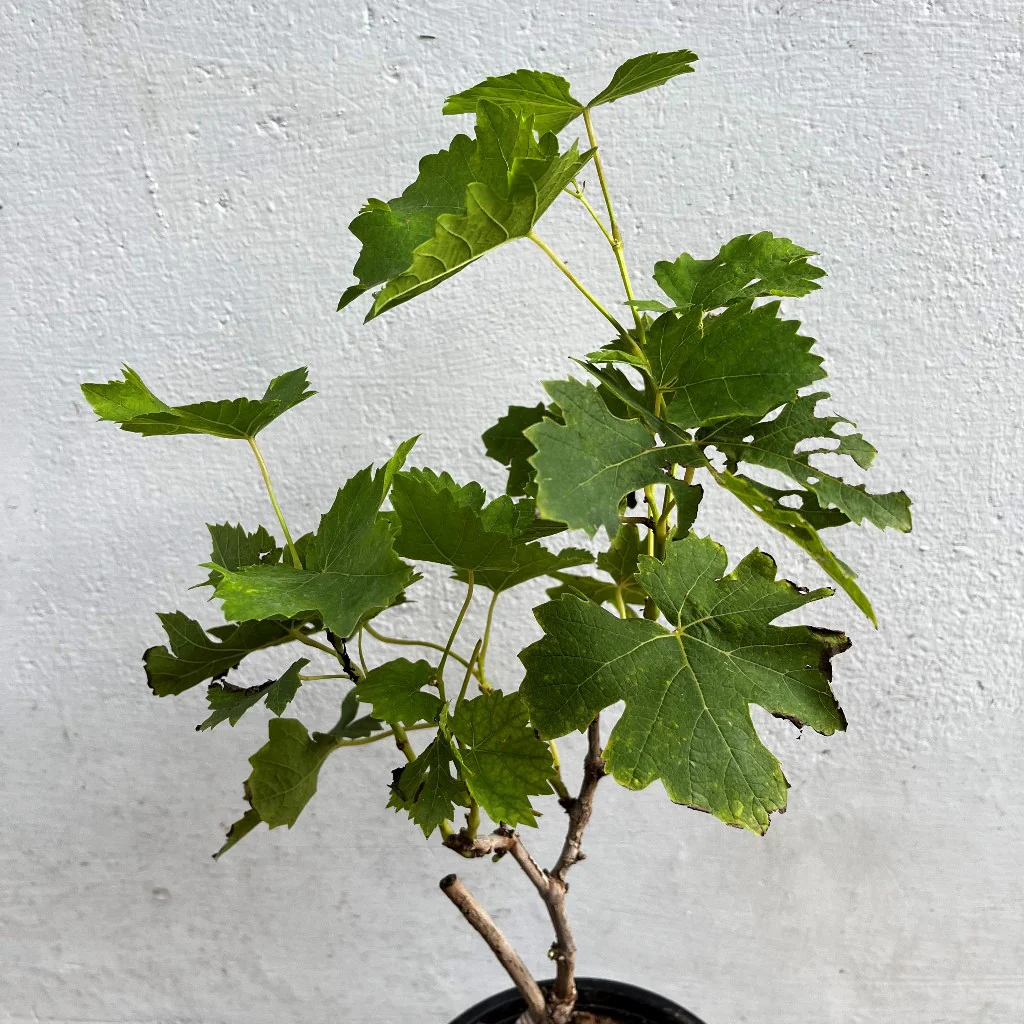
- Ornamental: Large lobed leaves, espalier potential
Nutrition Profile
- Rich in antioxidants, fiber, calcium, potassium
- Supports digestion, heart health, blood sugar control
- Versatile: Fresh, dried, jams, desserts
Fig Deanna Nutrition by Growth Stage
Planting/Establishment (Late Winter): Mix Rock Phosphate (150g) + Vermicompost (2kg) into planting hole for strong roots and first-year survival.
Spring Growth (March-April): Apply Mustard Meal (100g around base) monthly through summer for vigorous new shoots and leaves. Neem Cake (100g) prevents root-knot nematodes.
Pre-Fruiting (Late Summer): Boost fruit development with Bone Meal (150g) in August before main crop. Pe-Fu-Mi Pesticide controls fruit flies during ripening.
Landscape Use
Espalier, container specimen, or shade tree for courtyards. Large lobed leaves provide summer shade. Train flat against walls or fences. Fruits ripen late summer - perfect fresh snacking.
Original: $3.78
-70%$3.78
$1.13Product Information
Product Information
Shipping & Returns
Shipping & Returns
Description
Ficus carica 'Deanna' - Fig Deanna Tissue Culture Plant (Family: Moraceae)
Ficus carica 'Deanna' (Family: Moraceae) produces exceptionally large figs (100g+) with green-yellow skin and sweet amber-strawberry flesh. Developed by Dr. Ira Condit at UC Davis, this premium variety offers breba + main crops with split/crack resistance. Perfect for 16-20" containers, terrace espaliers, or small orchards. Fruits 1-2 years after planting.
Environment
Full sun (8+ hours), warm summers (25-35°C), mild winters. Drought tolerant once established. Prefers well-draining loamy/calcareous soil (pH 7-8). Tolerates light frost (0°F). Deciduous - bare winter silhouette.
Deanna Variety Benefits
- Extra-large figs: 100g+ (largest yellow varieties)
- Sweet amber-strawberry flesh, honeyed flavor
- Breba + main crop: Double harvest potential
- Split/crack resistant: Reliable market fruit
- Cold hardy: Survives 0°F winters
Salient Features
- Mature height: 10-20ft (prune to 8ft containers)
- Harvest: Late summer (Aug-Oct), 10-15lbs/season
- Self-fruitful: No pollination needed
- Tissue culture: Disease-free, true-to-type
- Ornamental: Large lobed leaves, espalier potential
Nutrition Profile
- Rich in antioxidants, fiber, calcium, potassium
- Supports digestion, heart health, blood sugar control
- Versatile: Fresh, dried, jams, desserts
Fig Deanna Nutrition by Growth Stage
Planting/Establishment (Late Winter): Mix Rock Phosphate (150g) + Vermicompost (2kg) into planting hole for strong roots and first-year survival.
Spring Growth (March-April): Apply Mustard Meal (100g around base) monthly through summer for vigorous new shoots and leaves. Neem Cake (100g) prevents root-knot nematodes.
Pre-Fruiting (Late Summer): Boost fruit development with Bone Meal (150g) in August before main crop. Pe-Fu-Mi Pesticide controls fruit flies during ripening.
Landscape Use
Espalier, container specimen, or shade tree for courtyards. Large lobed leaves provide summer shade. Train flat against walls or fences. Fruits ripen late summer - perfect fresh snacking.